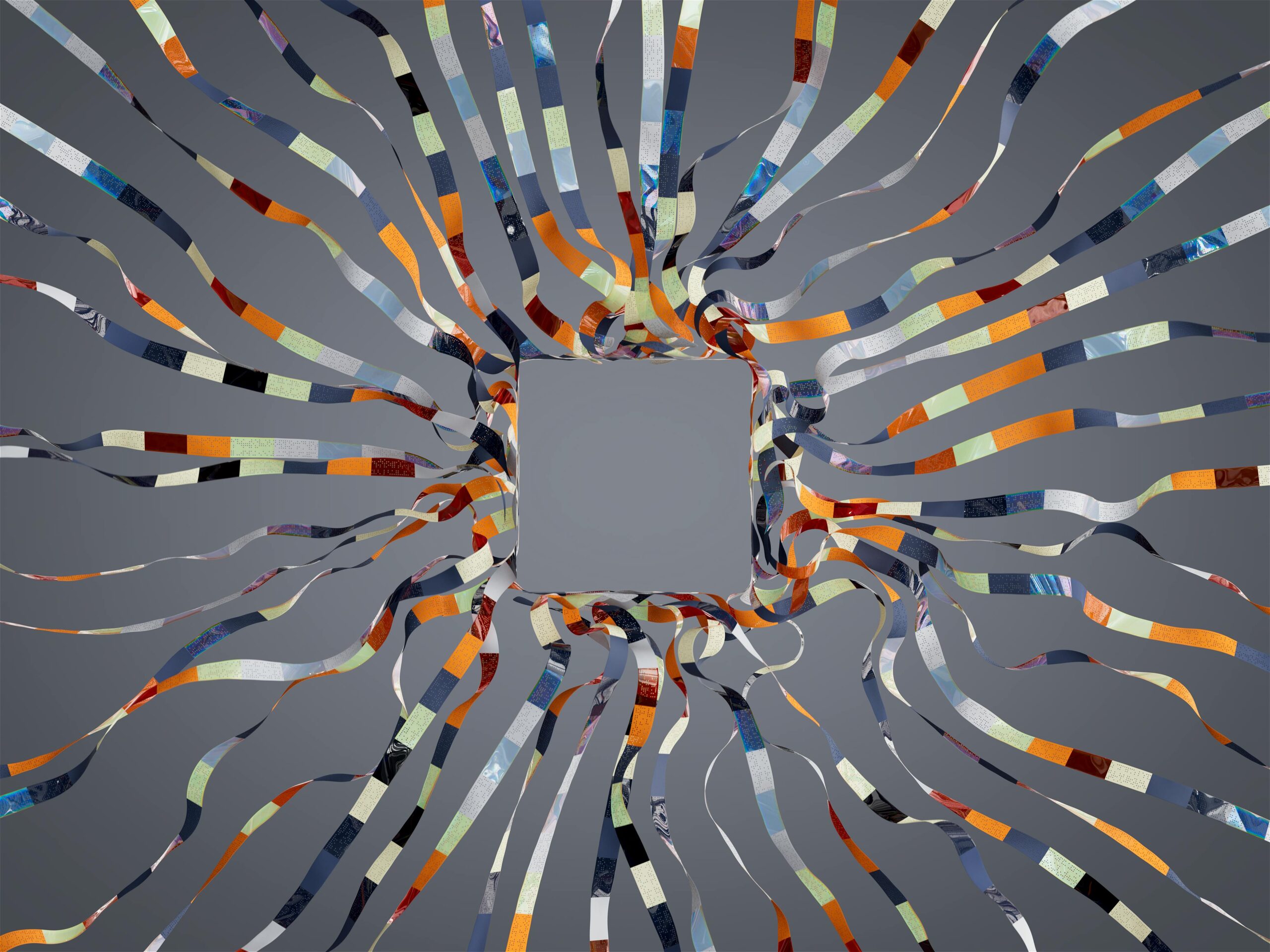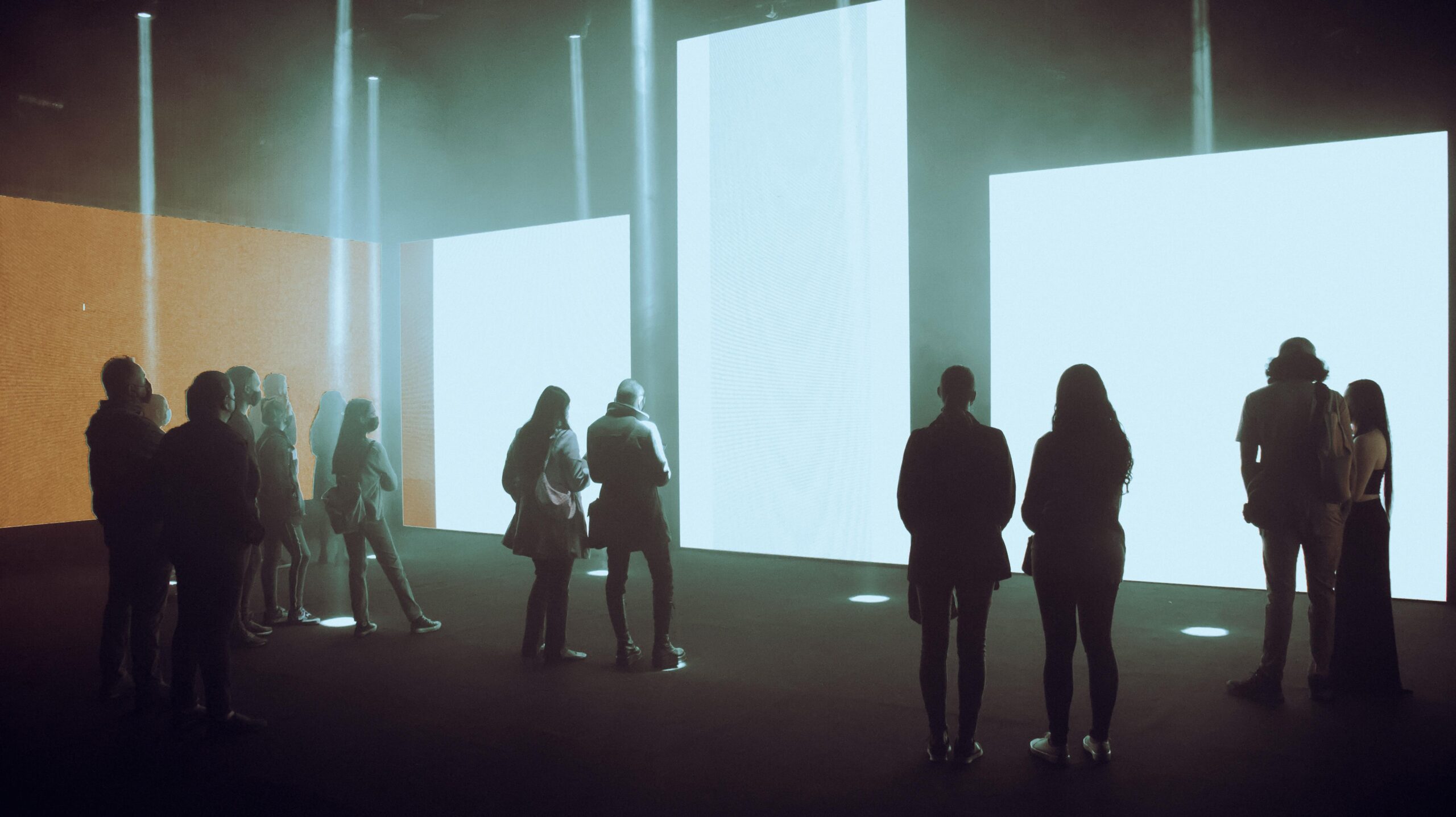
The digital revolution has transformed how we create, perceive, and interact with art. Generative visual art stands at the forefront of this transformation, merging computational algorithms with human creativity to produce unprecedented forms of expression.

This intersection of technology and imagination is not merely about automation—it’s about expanding the boundaries of what’s possible in artistic creation. From neural networks that dream in colors to algorithms that compose intricate patterns, generative art is reshaping our understanding of creativity itself and challenging traditional notions of authorship, originality, and artistic value.
🎨 The Evolution of Generative Art: From Code to Canvas
Generative art isn’t entirely new. Its roots trace back to the 1960s when pioneering artists like Georg Nees and Frieder Nake began experimenting with computer-generated graphics. However, what we’re witnessing today represents a quantum leap from those early experiments.
Modern generative visual art leverages sophisticated machine learning models, particularly Generative Adversarial Networks (GANs), diffusion models, and transformer architectures. These technologies enable artists to work with systems that can learn from millions of images, understand aesthetic patterns, and generate entirely new visual compositions that have never existed before.
The accessibility of these tools has democratized artistic creation. What once required expensive equipment and specialized programming knowledge can now be achieved through user-friendly interfaces and mobile applications. This democratization has unleashed a wave of creativity from individuals who might never have considered themselves artists in the traditional sense.
Understanding the Technology Behind the Magic ✨
At its core, generative visual art relies on algorithms designed to produce outputs based on specific parameters, random variations, or learned patterns. The beauty lies in the unpredictability—artists set the stage, but the exact outcome often surprises even the creator.
Neural Networks and Deep Learning
Neural networks function as the brain behind many generative art systems. These artificial intelligence models are trained on vast datasets of existing artwork, photographs, and visual content. Through this training, they learn to recognize patterns, styles, textures, and compositional elements.
When an artist provides a prompt or initial parameters, the neural network generates new images by applying its learned understanding. The results can range from photorealistic renderings to abstract compositions that push the boundaries of visual perception.
Text-to-Image Generation
One of the most revolutionary developments in generative art is text-to-image synthesis. Platforms powered by models like DALL-E, Midjourney, and Stable Diffusion allow users to describe their vision in words, and the AI translates these descriptions into visual reality.
This capability has profound implications for creative professionals, hobbyists, and anyone with imagination. The barrier between concept and visualization has never been lower, enabling rapid prototyping of ideas and exploration of visual concepts that would traditionally require hours or days of manual work.
Breaking Traditional Artistic Boundaries 🚀
Generative visual art challenges several fundamental assumptions about artistic creation and ownership. These challenges spark important conversations about the nature of creativity in the digital age.
Redefining Authorship
When an algorithm generates an artwork, who is the true artist? Is it the programmer who designed the system, the individual who provided the prompt, or the AI itself? This question doesn’t have a simple answer, but it forces us to reconsider what we mean by artistic authorship.
Many contemporary artists view themselves as collaborators with their algorithms rather than sole creators. They curate, direct, and refine the outputs, making countless decisions about which variations to keep, how to adjust parameters, and when a piece is truly complete.
Infinite Variations and Possibilities
Traditional art forms are typically finite—a painting exists as a single object, a sculpture occupies physical space. Generative art, however, can produce infinite variations from the same underlying system. Each iteration is unique, yet connected to a common conceptual framework.
This characteristic enables new forms of artistic expression, such as dynamic installations that continuously evolve, NFT collections with programmatically generated variations, and interactive experiences where viewers influence the artwork’s appearance through their actions.
Practical Applications Across Industries 💼
The impact of generative visual art extends far beyond galleries and museums. Industries across the spectrum are leveraging this technology to solve creative challenges and enhance their visual communications.
Design and Branding
Graphic designers use generative tools to explore logo concepts, create pattern libraries, and develop brand identities. The technology accelerates the ideation phase, allowing designers to present clients with dozens of variations in the time it would traditionally take to create a handful.
Fashion designers employ generative algorithms to create textile patterns, explore color combinations, and even design entire garment concepts. This application has led to collections that blend human aesthetic sensibility with computational creativity.
Entertainment and Media
The film and gaming industries utilize generative art for concept development, environmental design, and asset creation. Game developers particularly benefit from procedural generation techniques that can create vast, unique worlds without manually crafting every element.
Music videos, album covers, and promotional materials increasingly feature generative visual elements, creating distinctive aesthetic identities that stand out in crowded digital spaces.
Architecture and Spatial Design
Architects experiment with generative design to optimize building structures, explore unconventional forms, and visualize spaces that challenge traditional architectural paradigms. The technology helps balance aesthetic vision with practical constraints like structural integrity and material efficiency.
Tools and Platforms Empowering Creators 🛠️
The ecosystem of generative art tools continues to expand, offering options for every skill level and creative goal. From professional-grade software to accessible mobile applications, creators have unprecedented choice in how they approach generative art.
Professional Software Solutions
Advanced practitioners often work with tools like Processing, TouchDesigner, and various Python-based frameworks. These platforms offer maximum flexibility and control but require programming knowledge and technical expertise.
Adobe has integrated AI-powered generative features into its Creative Cloud suite, including Photoshop’s neural filters and Illustrator’s pattern generation tools. These implementations make generative techniques accessible within familiar professional workflows.
Web-Based Platforms
Browser-based tools have democratized access to sophisticated generative art capabilities. Platforms like Artbreeder, DeepArt, and RunwayML provide intuitive interfaces where users can generate and manipulate images without installing software or managing computational resources.
These platforms typically operate on a freemium model, offering basic functionality for free while reserving advanced features and higher resolution outputs for subscribers.
Mobile Applications
Smartphones have become powerful creative devices, and numerous apps bring generative art capabilities to handheld devices. These applications enable on-the-go creation, making it possible to generate artwork anywhere inspiration strikes.
Apps like Dream by WOMBO, Starryai, and Wonder leverage cloud-based AI models to transform text prompts into images directly on mobile devices. The convenience factor has introduced generative art to audiences who might never engage with desktop software.
Ethical Considerations and Challenges ⚖️
As with any transformative technology, generative visual art raises important ethical questions that the creative community continues to grapple with.
Training Data and Copyright
Most generative AI models are trained on millions of images scraped from the internet, including copyrighted works. This practice has sparked controversy, with some artists arguing that their work is being used without permission or compensation to train systems that could potentially replace human creators.
Legal frameworks are still catching up with these technological realities. Different jurisdictions are taking varied approaches to regulating AI training data, creating an uncertain landscape for both technology developers and artists.
Authenticity and Deception
The photorealistic capabilities of some generative systems raise concerns about misinformation and manipulation. Images that appear genuine but are entirely synthetic could be used to spread false narratives or create misleading content.
The creative community is developing norms around disclosure and transparency. Many artists and platforms now clearly label AI-generated content, helping audiences understand the nature of what they’re viewing.
Environmental Impact
Training large AI models and generating images requires substantial computational resources, which translates to significant energy consumption. As awareness of climate issues grows, the environmental cost of generative art has become a topic of discussion.
Researchers and developers are working on more efficient algorithms and exploring sustainable computing infrastructure to reduce the carbon footprint of generative technologies.
Cultivating Your Generative Art Practice 🌱
Whether you’re an experienced artist exploring new mediums or a complete beginner curious about creative technology, developing a generative art practice requires both technical understanding and artistic sensibility.
Starting Your Journey
Begin by experimenting with accessible tools that don’t require programming knowledge. Text-to-image platforms provide immediate gratification and help you understand how different prompts influence outcomes. Pay attention to which descriptive words produce desired effects and how style references shape the aesthetic.
Document your process and results. Keep a collection of prompts that work well, note which parameters produce interesting variations, and develop your personal library of techniques. This documentation becomes invaluable as you refine your approach.
Developing Artistic Vision
Technology is a tool, not a replacement for creative vision. Successful generative artists develop a strong sense of aesthetic direction, knowing what they want to achieve even if the path to get there involves algorithmic collaboration.
Study traditional art principles—composition, color theory, visual balance—because these fundamentals remain relevant in generative contexts. Understanding why certain arrangements work helps you guide algorithms toward more compelling outputs.
Iterative Refinement
Generative art is inherently iterative. Your first output is rarely your final piece. Develop comfort with generation cycles, producing multiple variations, selecting the most promising candidates, and refining them through additional iterations or manual editing.
Many accomplished generative artists combine algorithmic generation with traditional editing techniques, using digital painting tools to add final touches or adjusting compositions in photo editing software.
The Future Landscape of Generative Visual Art 🔮
As technology continues advancing at a remarkable pace, the future of generative visual art promises even more exciting possibilities.
Real-Time Interactive Experiences
Emerging technologies are enabling real-time generative art that responds to environmental inputs, biometric data, or audience interaction. Imagine installations that visualize crowd emotions, paintings that evolve based on weather patterns, or personal art pieces that reflect your daily activities.
Virtual and augmented reality platforms will provide new canvases for generative work, creating immersive experiences where viewers don’t just observe art but inhabit it.
Personalized Aesthetic AI
Future systems may learn individual aesthetic preferences, becoming personalized creative partners that understand your unique style and can generate work aligned with your specific vision. This personalization could make generative tools feel less like generic platforms and more like extensions of individual creativity.
Collaborative Human-AI Workflows
The distinction between AI-generated and human-created art will likely blur further as workflows become more integrated. Artists will seamlessly move between manual creation, AI assistance, and algorithmic generation, treating all as complementary techniques within a unified creative process.
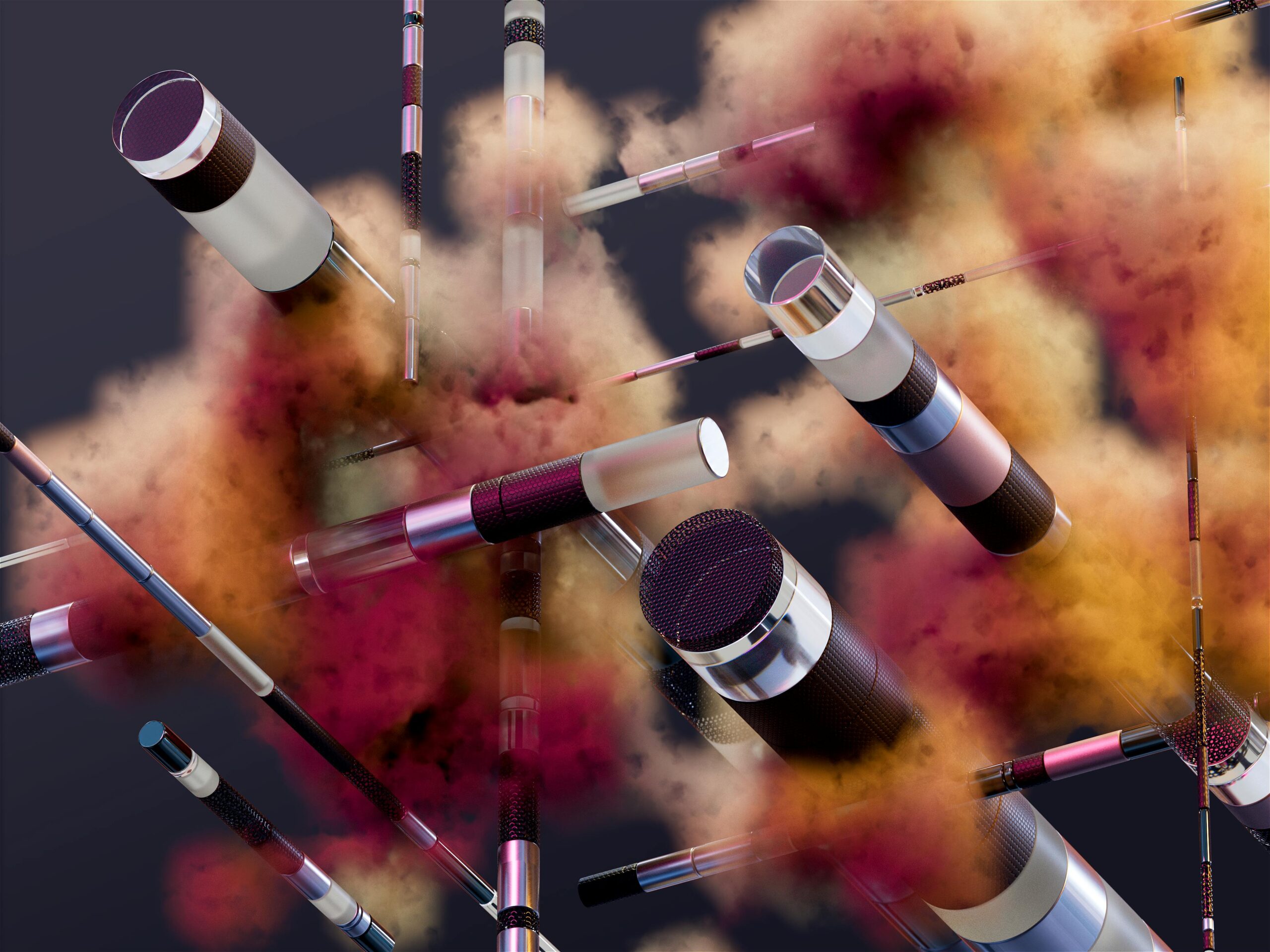
Embracing the Creative Revolution 🎭
Generative visual art represents more than a new medium or technique—it’s a fundamental shift in how we think about creativity, authorship, and artistic expression. Rather than viewing AI as a threat to human creativity, we can recognize it as a powerful tool that expands what’s possible.
The artists who will thrive in this new landscape are those who embrace technological tools while maintaining strong creative vision. They understand that algorithms don’t replace imagination; they amplify it, enabling the visualization of concepts that would be impractical or impossible through traditional means alone.
For audiences, generative art offers fresh perspectives and novel aesthetic experiences. It challenges us to reconsider our assumptions about creativity and to appreciate new forms of beauty that emerge from human-machine collaboration.
The boundaries between technology and art continue dissolving, creating a space where computational logic and human emotion converge. In this convergence, we find not the end of traditional creativity but its evolution—a new chapter in humanity’s eternal drive to create, express, and imagine.
As we stand at this intersection of creativity and technology, the invitation is clear: experiment, explore, and discover what’s possible when imagination meets algorithm. The canvas is digital, the palette is infinite, and the only limit is the breadth of human creativity itself.