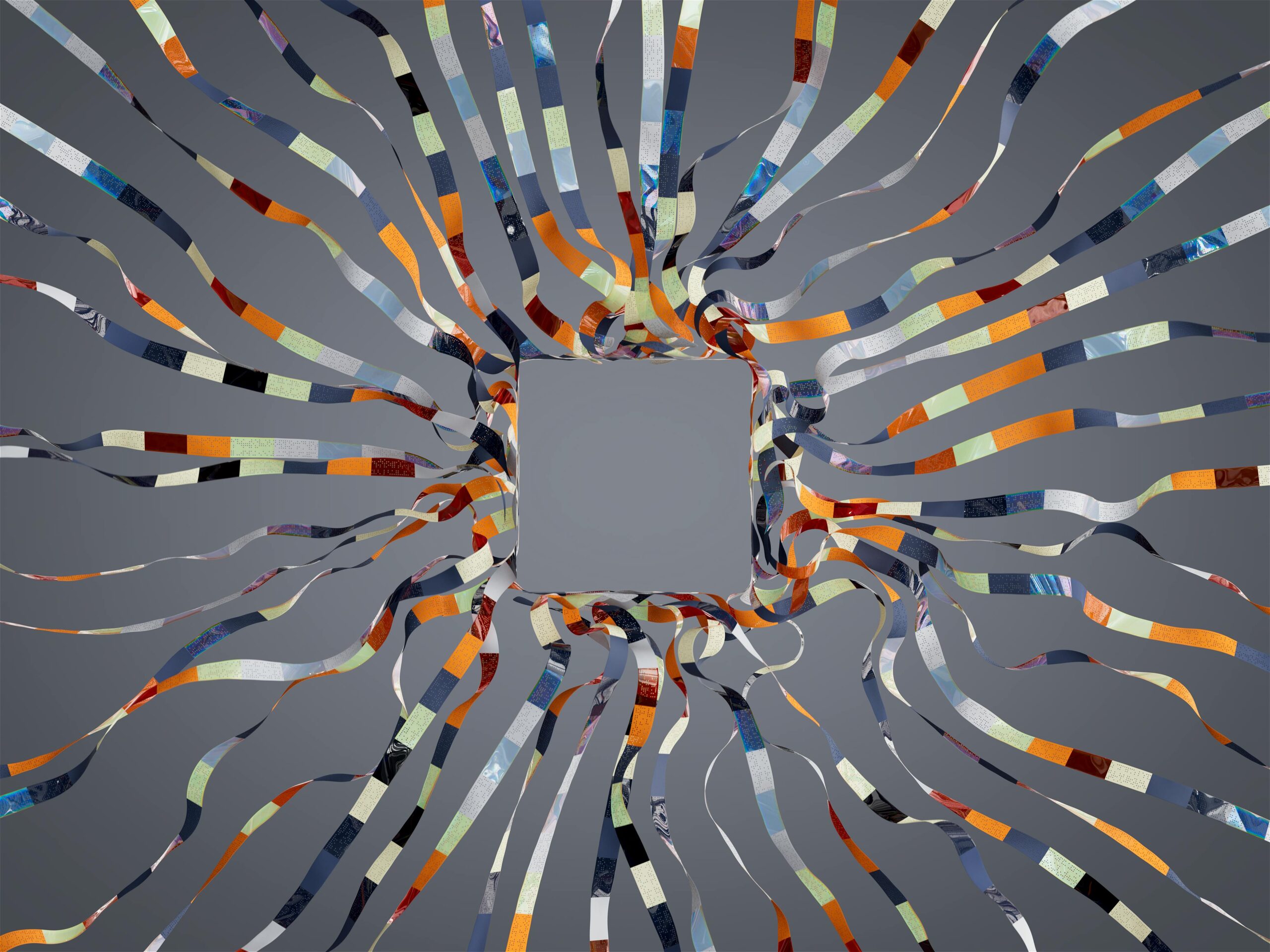
The contemporary art landscape is witnessing an unprecedented transformation as digital innovation merges with time-honored artistic methods, creating entirely new forms of creative expression.

This convergence isn’t merely about adding technology to traditional practices—it represents a fundamental reimagining of what art can be, how it’s created, and the ways audiences experience it. Hybrid art practices are dismantling the barriers between disciplines, challenging our perceptions, and opening doorways to creative possibilities that previous generations could only imagine.
🎨 Understanding the Hybrid Art Revolution
Hybrid art practices represent a fascinating collision of seemingly disparate worlds. At their core, these practices blend conventional artistic techniques—painting, sculpture, weaving, ceramics—with cutting-edge technologies like artificial intelligence, virtual reality, projection mapping, and interactive sensors. The result is a dynamic artistic ecosystem where oil paints meet machine learning algorithms, and ancient craft traditions dialogue with augmented reality.
What makes this movement particularly compelling is its refusal to privilege one approach over another. Rather than viewing technology as superior to tradition or vice versa, hybrid artists embrace both as equally valid tools in their creative arsenal. A sculptor might use 3D scanning to preserve traditional carving techniques while simultaneously creating digital versions that exist in virtual spaces. A textile artist could incorporate conductive thread and LED lights into centuries-old weaving patterns, breathing new life into ancestral designs.
The Historical Context of Artistic Fusion
While the term “hybrid art” might sound thoroughly modern, the impulse to combine different methods and materials has deep historical roots. Renaissance masters mixed their own pigments and developed new techniques to achieve unprecedented realism. The Impressionists revolutionized painting by taking their easels outdoors and responding to industrial-age changes in light and urban life. Photography, once considered a threat to painting, eventually became recognized as its own art form while simultaneously influencing how painters approached their work.
Today’s fusion between technology and tradition continues this legacy of artistic innovation. The difference lies in the pace of technological advancement and the sheer variety of tools available to contemporary creators. What took centuries to develop in previous eras now evolves in years or even months, creating an exhilarating but sometimes overwhelming creative environment.
🔬 Technology as Creative Partner
In hybrid art practices, technology transcends its role as mere tool to become a genuine creative collaborator. Artificial intelligence systems can now generate visual elements that artists then refine, critique, and incorporate into larger works. Generative algorithms produce unexpected patterns and forms that push creators beyond their habitual aesthetic choices. Interactive installations respond to viewer presence and movement, making the audience an integral part of the artistic process.
This partnership between human creativity and computational power raises fascinating questions about authorship, originality, and the nature of artistic vision. When an artist trains an AI model on their previous work and then uses the output as inspiration for new pieces, who or what is the creator? These philosophical inquiries aren’t obstacles but rather productive tensions that enrich the contemporary art discourse.
Digital Fabrication and Traditional Craftsmanship
Digital fabrication technologies like 3D printing, CNC milling, and laser cutting have democratized access to manufacturing capabilities once reserved for industrial settings. Artists can now design intricate forms on their computers and bring them into physical reality with remarkable precision. However, the most innovative practitioners don’t simply outsource creation to machines—they integrate digital fabrication into workflows that also include hand-finishing, traditional joinery, and time-tested material treatments.
A furniture maker might use parametric design software to generate complex geometric patterns, CNC route the basic forms from sustainably sourced wood, then employ traditional hand-carving and French polishing techniques to add warmth and character to the final piece. This approach honors both the efficiency and precision of digital tools and the irreplaceable qualities that human hands bring to objects.
🌍 Cultural Preservation Through Technological Innovation
One of the most profound applications of hybrid art practices lies in cultural preservation. Indigenous communities worldwide are employing digital technologies to document, revitalize, and share traditional artistic practices that might otherwise be lost. High-resolution scanning captures the intricate details of ancestral artifacts. Virtual reality experiences transport viewers into ceremonial spaces and traditional storytelling environments. Digital archives preserve endangered languages alongside the songs, stories, and artistic techniques associated with them.
Importantly, these aren’t passive preservation efforts. Many projects involve contemporary artists from these communities who reinterpret traditional motifs and methods through digital media, creating works that honor their heritage while speaking directly to present-day concerns. This dynamic relationship between past and future, tradition and innovation, exemplifies the generative potential of hybrid practices.
Case Study: Weaving Technology into Textile Traditions
Textile arts provide particularly rich terrain for hybrid experimentation. Artists are incorporating e-textiles—fabrics with embedded electronics—into traditional weaving, embroidery, and quilting practices. These smart textiles can illuminate, change color, sense environmental conditions, or interact with mobile devices while maintaining the aesthetic qualities and cultural significance of conventional fabric work.
Japanese artist groups have combined kimono-making traditions with projection mapping, creating garments that serve as canvases for dynamic digital imagery. Andean weavers have collaborated with technologists to develop apps that document complex traditional patterns and teach younger generations techniques that were transmitted orally for centuries. These initiatives demonstrate how technology can amplify rather than replace traditional knowledge systems.
💡 Interactive Installations and Immersive Experiences
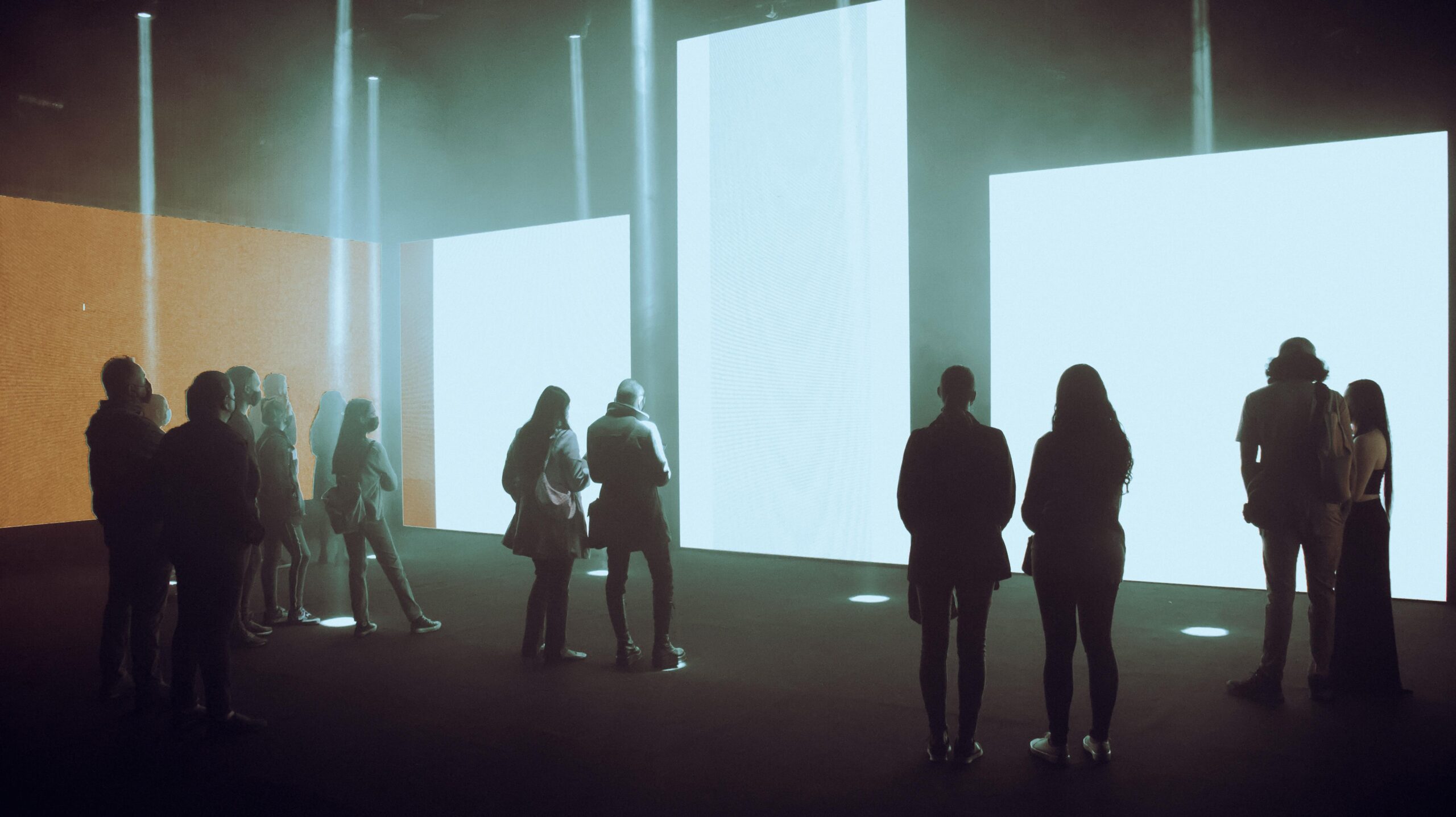
The rise of interactive and immersive art represents perhaps the most visible manifestation of hybrid practices. These works transform passive viewers into active participants, using sensors, cameras, and sophisticated software to create responsive environments that react to human presence and movement. The boundary between artwork and audience dissolves, replaced by a collaborative system where meaning emerges through interaction.
Large-scale projection mapping transforms architectural surfaces into animated canvases, telling stories that integrate with the physical characteristics of buildings. Virtual reality experiences place viewers inside entirely constructed worlds where they can interact with both digital and physical elements. Augmented reality applications overlay digital information and imagery onto real-world environments, creating hybrid spaces that exist simultaneously in physical and digital realms.
The Role of Sound in Multisensory Fusion
While visual elements often dominate discussions of hybrid art, sound plays an equally crucial role in creating immersive experiences. Artists combine field recordings, traditional instruments, synthesized sounds, and responsive audio systems to craft complex sonic environments. Some works use spatial audio technologies to position sounds precisely in three-dimensional space, while others employ generative algorithms to create ever-evolving soundscapes that never repeat exactly.
The integration of sound, visual elements, and interactive components creates multisensory experiences that engage audiences more completely than any single medium could achieve. These works acknowledge that human perception is fundamentally multisensory and that the most powerful artistic experiences engage us on multiple levels simultaneously.
🛠️ Tools Empowering the Hybrid Artist
The contemporary hybrid artist has access to an unprecedented toolkit. On the digital side, this includes powerful software for 3D modeling, animation, generative design, and interactive programming. Physical computing platforms enable artists without engineering backgrounds to incorporate sensors, motors, and lights into their work. Digital fabrication equipment translates virtual designs into tangible objects with remarkable accuracy.
Equally important are the traditional tools and materials that ground hybrid practices in physical reality. Quality brushes, chisels, needles, and other hand tools remain essential. Understanding material properties—how clay responds to pressure, how wood grain affects carving, how different fibers accept dye—provides the tactile knowledge that prevents purely digital work from feeling hollow or disconnected from human experience.
Learning Resources and Community Networks
Developing proficiency in hybrid art practices requires learning that spans multiple domains. Fortunately, extensive resources now exist to support this interdisciplinary education. Online platforms offer courses in everything from traditional oil painting techniques to machine learning for artists. Makerspaces and fab labs provide access to expensive equipment along with communities of practitioners who share knowledge and troubleshoot technical challenges.
Professional organizations and conferences specifically focused on art and technology facilitate networking and knowledge exchange. Publications and online journals document emerging practices and theoretical frameworks. Social media platforms enable artists to share work-in-progress, receive feedback, and discover collaborators across geographic boundaries. This rich ecosystem of support makes hybrid practices more accessible than ever before.
🎭 Challenges and Creative Tensions
Despite their exciting possibilities, hybrid art practices present genuine challenges. The learning curve for mastering both traditional techniques and technological systems can be steep and time-consuming. Equipment costs, particularly for digital fabrication and computing hardware, can be prohibitive. Software evolves rapidly, requiring constant learning to maintain proficiency. Technical failures can disrupt performances and exhibitions in ways that purely physical artworks typically don’t experience.
Philosophical tensions also emerge. Some traditionalists view technological integration as corrupting authentic artistic practice. Conversely, some technology enthusiasts dismiss traditional methods as outdated. Navigating these perspectives while remaining true to one’s creative vision requires confidence and clarity of purpose. The most successful hybrid artists tend to view these tensions not as problems to solve but as productive contradictions that energize their work.
Sustainability Considerations
As artists increasingly incorporate electronics and digital systems into their work, questions of environmental impact become more pressing. Electronic components contain rare earth elements and toxic materials. They consume energy and generate electronic waste when they reach end-of-life. Conscientious hybrid artists are grappling with these issues, seeking sustainable materials, designing for repairability and longevity, and considering the full lifecycle impact of their creative choices.
Some practitioners are turning these constraints into creative opportunities, developing works that address sustainability themes directly or using salvaged and recycled electronic components as primary materials. Others collaborate with engineers and materials scientists to develop more environmentally responsible approaches to integrating technology into art.
🚀 Future Trajectories and Emerging Possibilities
The future of hybrid art practices promises even more dramatic fusions of technology and tradition. Advances in artificial intelligence will enable more sophisticated creative partnerships between humans and machines. Brain-computer interfaces may eventually allow artists to manipulate digital and physical materials through thought alone. Biotechnology could enable living artworks that grow and evolve over time, merging artistic practice with biological processes.
Blockchain technologies and NFTs, despite current controversies, may evolve to provide new models for documenting provenance, sharing attribution, and compensating collaborative contributions in hybrid works. Quantum computing, though still in early stages, could eventually power generative systems of unprecedented complexity and capability.
The Enduring Human Element
Amid all this technological possibility, the human element remains central. Technology amplifies human creativity—it doesn’t replace it. The most compelling hybrid artworks succeed not because of technical sophistication but because they communicate something meaningful about human experience. They make us feel, think, question, and wonder in ways that pure technique alone cannot achieve.
The artists who will thrive in this hybrid future are those who maintain technical proficiency while never losing sight of why they create. They understand tools deeply but don’t become enslaved by them. They honor tradition without being trapped by it. They embrace innovation while maintaining critical perspective on its applications and implications.
🌟 Cultivating Your Own Hybrid Practice
For artists drawn to hybrid practices, the path forward involves both breadth and depth. Begin by strengthening your foundation in traditional skills relevant to your interests—drawing, sculpting, printmaking, whatever resonates with your creative vision. Simultaneously, start exploring technological tools that intrigue you. You don’t need to master everything at once; focus on one or two digital platforms or techniques and develop genuine proficiency.
Seek out communities of practice where you can learn from others and share your own discoveries. Attend workshops that explicitly bridge traditional and technological approaches. Collaborate with artists whose skills complement your own—these partnerships often produce work more innovative than any individual could create alone. Most importantly, experiment fearlessly and embrace failure as an essential part of learning.
Document your process extensively. Take photos and videos of works in progress. Write about your discoveries, challenges, and insights. This documentation serves multiple purposes: it helps you reflect on your development, provides material for portfolio building and grant applications, and contributes to the broader discourse around hybrid practices.

🎨 Reimagining Creative Boundaries
Hybrid art practices ultimately represent more than aesthetic choices or technical approaches—they embody a fundamentally different way of thinking about creativity itself. They reject false dichotomies between old and new, handmade and machine-made, physical and digital. They recognize that the most exciting creative territory often exists at intersections and boundaries rather than within established categories.
This boundary-crossing impulse aligns with broader cultural shifts toward interdisciplinarity, collaboration, and systems thinking. Just as contemporary challenges require integrating knowledge from multiple fields, contemporary art increasingly draws from diverse traditions and technologies to address the complexity of our moment. Hybrid practices don’t simplify this complexity—they embrace it, finding beauty and meaning in the rich interactions between different ways of making and knowing.
As we continue deeper into the twenty-first century, the fusion of technology, tradition, and creativity will only intensify. New tools will emerge, new possibilities will open, and new questions will arise. Artists working at these frontiers serve as explorers and interpreters, helping all of us navigate the increasingly hybrid world we inhabit. Their work reminds us that technology and tradition need not be adversaries but can instead engage in generative dialogue that honors the past, engages the present, and imagines futures we haven’t yet conceived.
The bold intersection of these forces creates not just new artworks but new ways of being creative, new models for artistic practice, and new understandings of what it means to make meaningful things in our technologically saturated yet deeply human world. This is the frontier that hybrid artists explore—a territory rich with challenge, possibility, and the enduring human impulse to create beauty and meaning from whatever materials our age provides.