The digital revolution has fundamentally transformed artistic expression, ushering in an era where technology and creativity intersect in unprecedented ways. Today’s post-digital art movements challenge traditional boundaries, creating immersive experiences that reshape our understanding of what art can be.

As we venture deeper into the 21st century, artists are no longer simply using digital tools—they’re transcending them. The post-digital condition represents a paradigm shift where technology becomes invisible, embedded naturally into creative processes. This evolution marks a significant departure from early digital art, where the novelty of technology itself was often the focal point.
Understanding the Post-Digital Artistic Landscape 🎨
Post-digital art movements emerged as a response to our technology-saturated world. Rather than celebrating digital innovation for its own sake, contemporary artists critically examine our relationship with technology, exploring themes of authenticity, materiality, and human connection in an increasingly virtual existence.
The term “post-digital” was coined by composer Kim Cascone in 2000, initially referring to music that acknowledged digital technology as commonplace rather than revolutionary. This philosophy quickly spread across visual arts, performance, installation, and interactive media, fundamentally altering how artists conceptualize and execute their work.
The Philosophical Foundation of Post-Digital Creation
Post-digital aesthetics embrace imperfection, glitches, and analog warmth within digital frameworks. Artists deliberately incorporate errors, noise, and lo-fi elements that humanize technological processes. This approach contrasts sharply with earlier digital art that prioritized technical perfection and polished finishes.
Contemporary creators navigate between physical and virtual realms fluidly. They might use 3D printing to materialize digital sculptures, employ artificial intelligence as collaborative partners, or create augmented reality experiences that overlay digital content onto physical spaces. This hybridity defines the post-digital condition.
Key Movements Shaping Contemporary Creativity ✨
Glitch Art and Digital Aesthetics
Glitch art celebrates technological failures as aesthetic opportunities. Artists intentionally corrupt digital files, manipulate code, or exploit software bugs to create unexpected visual results. This movement questions perfection and embraces randomness, finding beauty in system breakdowns.
Rosa Menkman, a prominent glitch artist, describes her work as “the result of accidents in digital media.” By manipulating compression artifacts, databending images, or circuit-bending hardware, glitch artists reveal the materiality of supposedly immaterial digital information. This approach democratizes technology by exposing its vulnerabilities and imperfections.
New Media Art and Interactive Installations
New media art encompasses works created using digital technologies, including video art, computer graphics, interactive installations, and net art. What distinguishes post-digital new media art is its focus on audience participation and experiential engagement rather than passive observation.
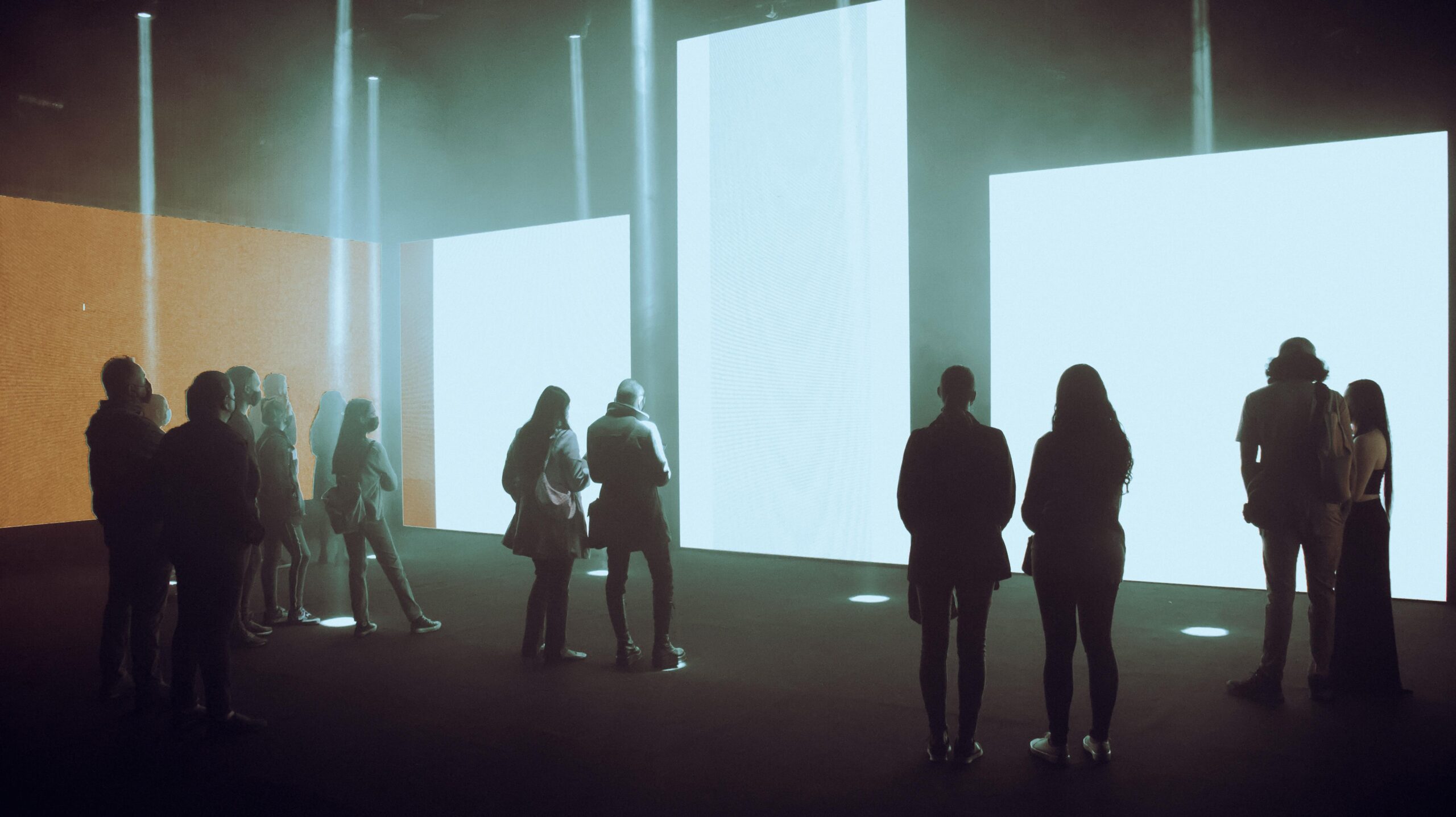
TeamLab, a Japanese art collective, exemplifies this approach with immersive installations that respond to viewer presence. Their environments blur boundaries between artwork and observer, creating responsive ecosystems where human interaction becomes integral to the artistic experience. Visitors don’t simply view art—they inhabit and co-create it.
Artificial Intelligence as Creative Collaborator 🤖
Machine learning and neural networks have introduced revolutionary possibilities for artistic creation. AI-generated art challenges fundamental questions about authorship, originality, and creativity itself. When algorithms produce artwork, who is the artist—the programmer, the machine, or both?
Generative adversarial networks (GANs) enable artists to train systems on existing artworks, then generate entirely new pieces based on learned patterns. Artists like Refik Anadol create mesmerizing data sculptures by feeding machine learning algorithms massive datasets, transforming information into flowing, organic visualizations that challenge perceptions of both data and art.
The Ethics and Aesthetics of Algorithmic Creativity
The rise of AI art raises important ethical considerations. When DALL-E, Midjourney, or Stable Diffusion generate images based on text prompts, they draw from vast databases of existing artwork. This process has sparked debates about intellectual property, artist compensation, and the value of human creativity.
Forward-thinking artists view AI as a collaborative tool rather than a replacement. They use machine learning to extend their creative vision, explore aesthetic territories beyond human imagination, and engage with technology critically. This approach maintains human agency while leveraging computational power.
Blockchain Technology and Digital Ownership 💎
Non-fungible tokens (NFTs) have revolutionized how digital art is owned, distributed, and valued. By creating verifiable digital scarcity through blockchain technology, NFTs address long-standing challenges in digital art markets, where perfect copies were previously indistinguishable from originals.
In 2021, digital artist Beeple sold an NFT artwork for $69 million at Christie’s, signaling mainstream acceptance of digital art as collectible and valuable. This event catalyzed explosive growth in crypto art markets, though subsequent volatility has prompted deeper reflection on sustainability and genuine artistic value versus speculative investment.
Beyond Financial Speculation: Community and Access
The most promising aspects of blockchain art extend beyond monetary value. Decentralized autonomous organizations (DAOs) enable collective art patronage, democratizing access to art investment previously reserved for wealthy collectors. Smart contracts ensure artists receive royalties from secondary sales, creating sustainable income streams.
Projects like Art Blocks demonstrate how generative algorithms combined with blockchain technology create unique, ownable artworks. Each piece is algorithmically generated at the moment of purchase, ensuring genuine uniqueness while exploring themes of randomness, ownership, and digital materiality.
Immersive Technologies Transforming Artistic Experience 🥽
Virtual Reality as Artistic Medium
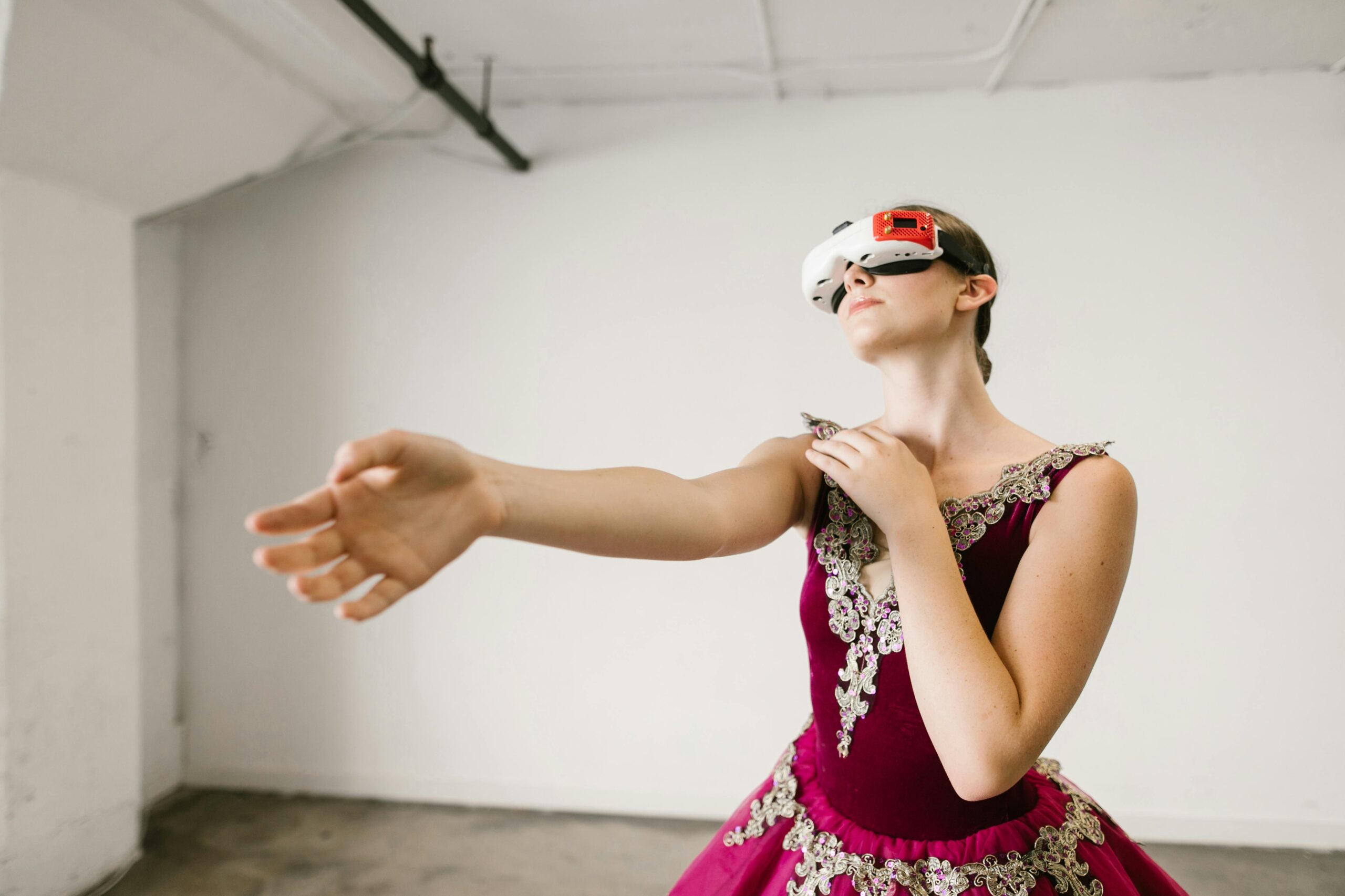
Virtual reality offers artists three-dimensional canvases limited only by imagination. VR art transcends traditional viewing experiences, placing audiences inside artworks where they can move, interact, and explore from every angle. This spatial freedom fundamentally alters how we experience and create art.
Artists like Jon Rafman create surreal VR environments that critique digital culture, gaming aesthetics, and virtual identity. These immersive experiences can provoke powerful emotional responses impossible through traditional media, leveraging presence and embodiment to create genuine artistic impact.
Augmented Reality Bridging Physical and Digital Worlds
Augmented reality overlays digital content onto physical environments, creating hybrid spaces where real and virtual coexist. AR art can transform mundane locations into portals for creativity, making art accessible outside traditional gallery spaces and democratizing cultural experiences.
The “Acute Art” platform enables renowned artists to create AR works viewable through smartphones, bringing contemporary art to global audiences regardless of geographic location. This accessibility challenges the exclusivity of art institutions while raising questions about context, curation, and the role of physical space in artistic experience.
Biohacking and Living Art Forms 🧬
Post-digital creativity extends beyond screens into biological systems. Bio-artists manipulate living organisms, genetic material, and biological processes as creative media. This radical approach questions boundaries between nature and culture, life and art, creation and manipulation.
Eduardo Kac pioneered transgenic art with “GFP Bunny,” a fluorescent green rabbit created through genetic modification. While controversial, such works force urgent conversations about biotechnology ethics, human intervention in natural systems, and the responsibilities accompanying creative power over living systems.
The Intersection of Biology and Technology
Artists are increasingly exploring synthetic biology, tissue engineering, and bio-fabrication. Amy Karle creates bioart that addresses human enhancement and medical futures, growing artworks from living cells. These practices blur distinctions between artist and scientist, studio and laboratory, artwork and organism.
As biotechnology becomes more accessible through DIY biology movements, more artists can engage with living systems creatively. This democratization raises profound questions about regulation, safety, and ethical boundaries in artistic experimentation with life itself.
Social Practice and Networked Creativity 🌐
Post-digital art often emphasizes social engagement and participatory creation over finished objects. Artists facilitate experiences, build communities, and create platforms for collective creativity. This approach values process, dialogue, and social impact over traditional art market commodities.
Net art and social media art leverage online platforms as creative spaces. Artists create works specifically for Instagram, Twitter, or TikTok, embracing these platforms’ constraints and possibilities. This practice acknowledges that much of contemporary life unfolds through digital networks, making them legitimate artistic territories.
Activism and Critical Digital Practice
Many post-digital artists adopt activist stances, using technology to critique power structures, surveillance capitalism, environmental destruction, and social inequalities. Their work demonstrates that technological engagement need not be uncritical celebration but can instead expose and challenge problematic systems.
The collective !Mediengruppe Bitnik creates works exploring surveillance, privacy, and digital rights. Their projects often involve real-world interventions that blur boundaries between art, activism, and civil disobedience, demonstrating art’s potential to provoke meaningful social change.
Sustainable Futures and Ecological Consciousness 🌱
As environmental crises intensify, artists increasingly address sustainability within digital practices. The energy consumption of blockchain networks, data centers, and computing infrastructure raises urgent ecological questions that responsible post-digital artists cannot ignore.
Eco-critical artists like Tega Brain create works exposing environmental impacts of digital technologies. Her project “Solar Protocol” runs on a network of solar-powered servers, with website hosting shifting globally to follow sunlight. This approach demonstrates how creative practice can model sustainable technological futures.
Material Consciousness in Immaterial Media
Recognizing that digital art isn’t truly immaterial—it requires physical infrastructure, energy, and resources—artists are developing more sustainable practices. This includes choosing energy-efficient platforms, minimizing computational waste, and creating works that raise ecological awareness.
The movement toward sustainable digital art practices reflects broader recognition that all human activities, including creative ones, occur within finite ecological systems. Artists have opportunities and responsibilities to model environmentally conscious approaches to technology.
Educational Transformation and Creative Democracy 📚
Post-digital tools democratize creative expression, making sophisticated artistic techniques accessible to wider audiences. Online tutorials, open-source software, and affordable hardware lower barriers to entry, enabling diverse voices to participate in contemporary artistic conversations.
Platforms like Processing, p5.js, and TouchDesigner provide free tools for creative coding, empowering artists without formal programming training to create computational artworks. This accessibility fosters innovation by including perspectives traditionally excluded from technology-driven creative fields.
The Ongoing Evolution of Artistic Expression 🚀
Post-digital art movements represent ongoing negotiations between humanity and technology. As artificial intelligence becomes more sophisticated, virtual experiences more immersive, and biotechnology more powerful, artists will continue exploring these territories critically and creatively.
The future of creativity lies not in technology replacing human expression but in thoughtful, critical engagement with tools that extend creative possibilities. Artists who embrace post-digital conditions while maintaining humanistic values, ethical awareness, and social consciousness will shape cultural conversations in coming decades.
Emerging technologies like quantum computing, brain-computer interfaces, and advanced robotics will undoubtedly inspire new artistic movements. The artists leading these explorations will be those who balance technological enthusiasm with critical awareness, who create not just because they can, but because they have meaningful visions to share.
Post-digital art ultimately reminds us that creativity transcends medium. Whether working with oil paints, algorithms, living cells, or virtual environments, artists engage fundamental human needs to create meaning, express experience, and connect with others. Technology changes how we create, but not why we create.
The vibrant world of post-digital art movements offers exciting glimpses into creative futures where boundaries dissolve, communities form globally, and expression takes forms previous generations couldn’t imagine. By engaging thoughtfully with these movements, we participate in shaping not just art’s future, but the future of human creativity itself.