Have you ever experienced a moment where time seemed to disappear, your actions flowed effortlessly, and you produced your best work without even trying? That magical state exists, and it’s called flow.

Flow state represents the pinnacle of human performance—a psychological sweet spot where your skills perfectly match the challenge at hand, creating an immersive experience that transforms ordinary productivity into extraordinary achievement. Athletes call it “being in the zone,” artists describe it as pure inspiration, and entrepreneurs recognize it as their most valuable competitive advantage. Understanding and accessing this state isn’t reserved for elite performers; it’s a learnable skill that can revolutionize how you work, create, and live.
🧠 What Exactly Is Flow State?
Flow state, first identified and named by psychologist Mihaly Csikszentmihalyi in the 1970s, describes an optimal state of consciousness where you feel your best and perform your best. During flow, your conscious mind quiets down, self-doubt disappears, and you become completely absorbed in the present moment.
Neurologically, flow involves a temporary hypofrontality—a selective deactivation of the prefrontal cortex. This brain region typically handles executive functions like self-monitoring, time awareness, and inner criticism. When it quiets, you experience that timeless, effortless feeling characteristic of peak performance. Simultaneously, your brain releases a potent cocktail of neurochemicals including norepinephrine, dopamine, endorphins, anandamide, and serotonin—all performance-enhancing and pleasure-inducing.
The result? You think faster, process information more efficiently, connect ideas in novel ways, and access levels of creativity and productivity that feel superhuman. Research shows that executives in flow are five times more productive than normal, making this state one of the most valuable assets in modern professional life.
The Science Behind Limitless Focus 🔬
Flow state doesn’t just feel different—your brain literally operates differently. Advanced neuroimaging studies reveal several fascinating changes happening during flow experiences that explain why focus becomes so effortless and powerful.
First, your brain waves shift predominantly into the alpha-theta border, a frequency range associated with relaxed alertness and creative insight. This contrasts sharply with the beta waves dominating normal waking consciousness, which often involve mental chatter and divided attention.
Second, the transient hypofrontality mentioned earlier doesn’t just quiet your inner critic—it also suspends the brain’s time-tracking mechanisms. This explains why hours can pass like minutes when you’re in flow. Without constant temporal monitoring, attention becomes fully anchored in the present task rather than bouncing between past regrets and future anxieties.
The Neurochemistry of Peak Performance
The neurochemical cascade during flow creates an ideal internal environment for sustained high performance. Norepinephrine and dopamine dramatically increase focus and pattern recognition. Endorphins block pain signals, allowing you to push physical and mental limits. Anandamide, whose name derives from the Sanskrit word for “bliss,” enhances lateral thinking and connects disparate ideas. Serotonin creates a sense of accomplishment and well-being that reinforces the state.
This biological cocktail isn’t just pleasurable—it’s addictive in the healthiest sense. Your brain learns to crave these states, naturally orienting you toward the conditions and activities that trigger flow, creating a positive feedback loop of peak performance.
🎯 The Essential Conditions for Entering Flow
Flow isn’t random or entirely mysterious. Decades of research have identified specific preconditions that dramatically increase the likelihood of entering this state. Understanding and deliberately engineering these conditions represents the fastest path to consistent peak performance.
Clear Goals and Immediate Feedback
Flow requires knowing what you’re trying to accomplish and receiving continuous signals about your progress. Ambiguous objectives scatter attention, while clear goals create a channel for consciousness to flow through. The feedback doesn’t need to be external—it can be as simple as watching your words appear on a screen, feeling your body respond during exercise, or sensing whether a musical note sounds right.
This is why video games are such powerful flow triggers—they provide crystal-clear objectives (rescue the princess, reach the next level, defeat the boss) with constant, unmistakable feedback about your performance.
The Challenge-Skill Balance
Perhaps the most critical flow condition is finding the sweet spot between boredom and anxiety. If a task is too easy relative to your skills, you’ll disengage mentally. Too difficult, and stress will fragment your attention. Flow lives in that narrow channel approximately 4% beyond your current abilities—challenging enough to demand full engagement, but achievable enough to feel possible.
This balance explains why beginners rarely experience flow. They lack sufficient skills to meet even basic challenges. It also explains why experts sometimes struggle to find flow—they’ve automated so many skills that few activities genuinely challenge them anymore without becoming overwhelming.
Complete Concentration on the Present Task
Flow demands undivided attention. Multitasking and flow are mutually exclusive states. This requirement creates significant challenges in our hyperconnected world, where notifications, interruptions, and the temptation to check various devices constantly fragment attention.
Creating an environment that supports unbroken concentration isn’t optional for consistent flow—it’s foundational. This might mean dedicated distraction-free time blocks, physical spaces optimized for focus, or digital tools that limit interruptions.
Practical Strategies to Trigger Flow Daily 🚀
Knowing the conditions for flow means nothing without implementation. These evidence-based strategies will help you engineer flow experiences into your regular routine, transforming occasional peak performance into consistent excellence.
Design Your Environment for Immersion
Your physical and digital environment profoundly influences your ability to enter flow. Create dedicated spaces for deep work that signal to your brain it’s time for focused effort. Eliminate visual clutter, silence notifications completely, and establish boundaries with others during your flow sessions.
Consider environmental factors like temperature, lighting, and background sound. Many people find that slight coolness, natural lighting, and either complete silence or non-lyrical ambient music optimize their flow potential. Experiment systematically to discover your ideal conditions.
Master the Art of Task Batching
Switching between different types of tasks destroys flow before it begins. Group similar activities together—all your writing in one block, all your communication in another, creative brainstorming separately from analytical work. This batching reduces cognitive switching costs and allows sustained engagement with a single mode of thinking.
Plan these batches strategically according to your natural energy rhythms. Most people experience peak cognitive performance in the late morning, making this ideal for high-challenge flow activities. Reserve lower-energy periods for maintenance tasks that don’t require flow states.
Create Rituals That Signal Flow Time
Pre-flow rituals act as psychological triggers, preparing your mind to shift into optimal performance mode. These might include specific music, particular beverages, breathing exercises, physical movements, or reviewing your goals. The content matters less than consistency—repetition teaches your brain that these cues mean “it’s time for flow.”
Olympic athletes famously use elaborate pre-performance rituals. Michael Phelps listened to the same playlist before races. Basketball players follow identical free-throw routines. These aren’t superstitions—they’re neurological programming that facilitates rapid state changes.
💡 Unlocking Creativity Through Flow
While flow enhances all forms of performance, its impact on creativity deserves special attention. The altered brain state during flow creates ideal conditions for breakthrough thinking, novel connections, and innovative problem-solving that feels impossible during normal consciousness.
The temporary deactivation of your prefrontal cortex serves creativity by suspending the inner critic that normally evaluates and censors ideas before they fully form. This allows raw creative content to emerge without premature judgment. Simultaneously, the neurochemical anandamide increases pattern recognition across greater conceptual distances, helping you spot connections others miss.
The Flow-Creativity Cycle
Interestingly, research suggests that different phases of the creative process benefit from different states. Divergent thinking—generating many possibilities—often flows best during slightly relaxed states. Convergent thinking—selecting and refining the best ideas—benefits from more focused flow states. Understanding this rhythm helps you structure creative projects for maximum breakthrough potential.
Many creative professionals report that their best ideas emerge not during forced brainstorming but during flow activities completely unrelated to their work—running, showering, or playing music. This happens because these activities induce flow states that prime the brain for insight, while the lack of direct focus on the problem allows subconscious processing to continue.
🏆 Flow for Productivity: Working Smarter, Not Harder
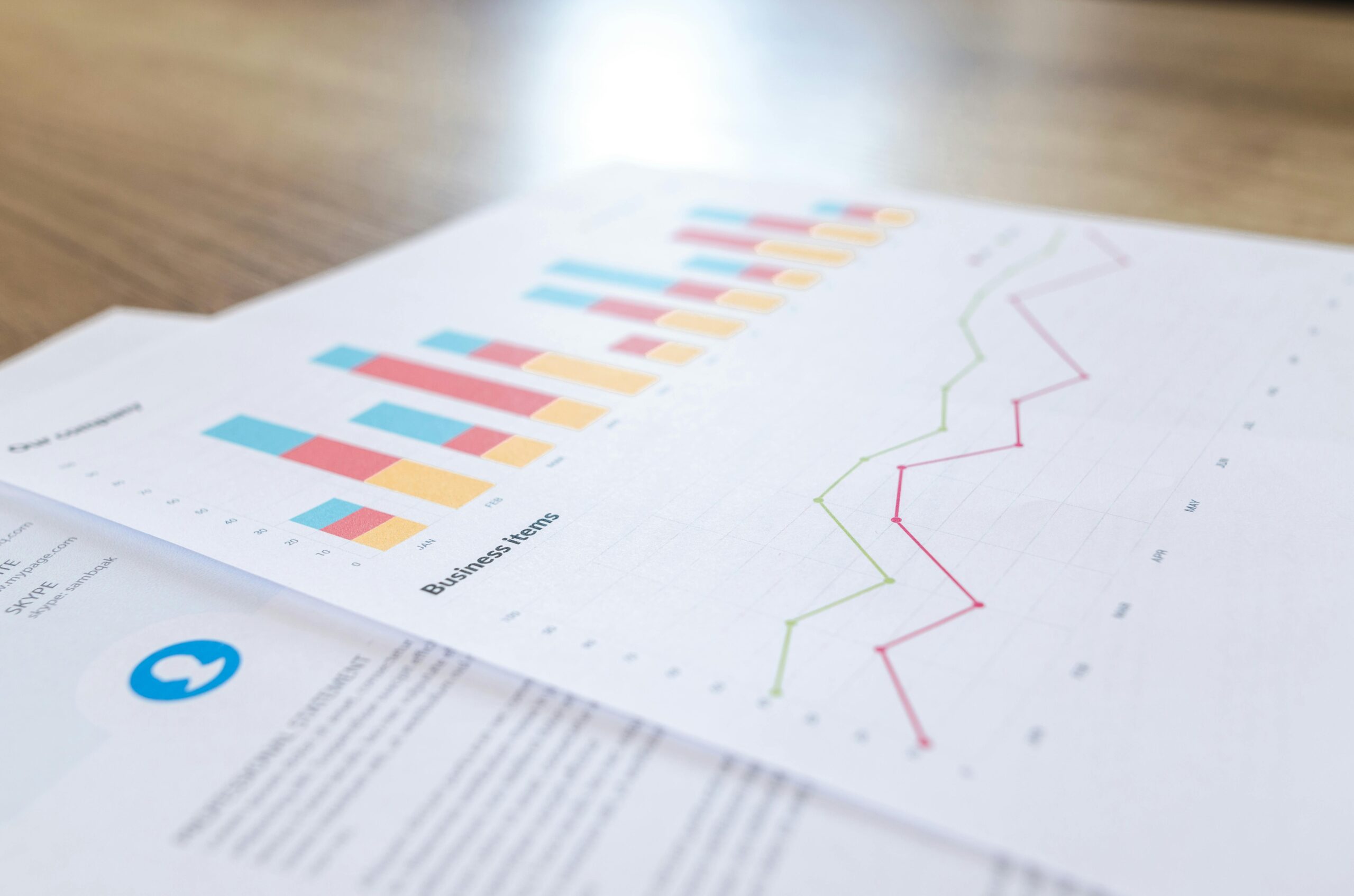
The productivity implications of flow state are staggering. McKinsey research found that top executives report being five times more productive in flow. Given that the average knowledge worker spends only about 5% of their time in flow, the untapped potential is enormous.
Imagine doubling or tripling your time in flow. Even modest improvements could mean accomplishing in two days what currently takes a week. This isn’t about working longer hours—it’s about working in a fundamentally different psychological state that multiplies effectiveness.
The 90-Minute Flow Block Technique
Human attention naturally cycles in approximately 90-120 minute intervals called ultradian rhythms. Aligning your flow sessions with these natural cycles optimizes both entry into flow and sustained performance. Structure your day around 90-minute deep work blocks separated by genuine rest periods.
During these blocks, eliminate all optional inputs. Close email, silence phones, and commit completely to a single high-value activity that meets flow conditions. After 90 minutes, take a real break—not “checking email quickly” but genuinely disengaging to allow mental recovery.
Measuring What Matters
Track your flow experiences to accelerate learning. After each work session, briefly note whether you experienced flow, what conditions were present, and what outputs you created. Over time, patterns will emerge revealing your personal flow triggers and obstacles. This data-driven approach transforms flow from mysterious happenstance to engineerable outcome.
Common Flow Blockers and How to Overcome Them 🚧
Even with perfect technique, certain obstacles consistently prevent flow experiences. Recognizing and addressing these blockers dramatically increases your flow frequency.
Perfectionism and Self-Consciousness
The inner critic that activates when you judge your performance mid-process kills flow instantly. This meta-awareness—thinking about how you’re doing rather than simply doing—reactivates the prefrontal cortex and breaks the immersive state. Combat this by reframing practice as experimentation rather than performance, especially during skill development phases.
Insufficient Recovery
Flow is neurologically expensive. The intense focus and neurochemical release deplete resources that require replenishment. Chronic stress, inadequate sleep, and continuous cognitive demand without recovery make flow increasingly difficult to access. Building genuine recovery into your routine isn’t self-indulgence—it’s performance optimization.
Mismatched Challenges
Working consistently below or above your skill level prevents flow. If your work feels tedious, you need to increase challenge by imposing constraints, raising standards, or tackling more complex aspects. If you’re chronically overwhelmed, you need to break challenges into smaller components or build foundational skills before advancing.
Building a Flow-Centered Lifestyle 🌟
The ultimate goal isn’t occasional flow experiences but restructuring your life around activities and conditions that generate frequent flow. This flow-centered approach to life design creates a powerful upward spiral where peak experiences become normal rather than exceptional.
Start by auditing your current activities. Which ones have historically generated flow for you? These are your flow activities—prioritize and protect time for them. Which activities consistently prevent flow or deplete resources needed for flow? Minimize, delegate, or eliminate these where possible.
The Flow Trigger Inventory
Create a personal flow profile documenting:
- Activities that most reliably generate flow for you
- Environmental conditions that support your flow (time of day, location, ambient conditions)
- Preparation rituals that help you transition into flow
- Recovery practices that replenish your capacity for flow
- Warning signs that you’re operating outside flow conditions
Review and refine this profile quarterly as you gather more data about your personal flow patterns. What works for others may not work for you—individualization based on self-knowledge trumps generic advice.
The Compound Effect of Daily Flow Practice 📈
Accessing flow occasionally feels wonderful but doesn’t transform performance. The real magic emerges from deliberate practice that gradually increases both your flow frequency and duration. Like compound interest, small daily improvements in accessing flow create exponential long-term returns.
Commit to engineering at least one 90-minute flow session daily for 30 days. Track your experiences, note what works, and refine your approach continuously. Most people report noticeable improvements in focus, creativity, and productivity within two weeks, with more dramatic changes emerging over months of consistent practice.
The neurological changes from regular flow practice extend beyond the immediate performance benefits. Your brain becomes more efficient at accessing these states, essentially developing a “flow muscle” that grows stronger with use. You’ll find yourself dropping into flow more quickly, sustaining it longer, and recovering faster afterward.
Transforming Peak Performance Into Normal Performance ⚡
Flow state reveals what you’re truly capable of when internal and external conditions align perfectly. Most people experience these moments rarely and randomly, then return to normal functioning without capturing the lessons. The opportunity lies in making flow frequent enough that “peak performance” becomes your baseline rather than your ceiling.
This transformation requires commitment and systematic application of flow principles. It means restructuring your environment, schedule, and habits around flow-conducive conditions. It means protecting deep work time like your most valuable asset—because it is. It means saying no to opportunities that fragment attention and yes to challenges that stretch your capabilities.
The payoff extends far beyond productivity metrics. People who regularly experience flow report higher life satisfaction, greater sense of meaning, and deeper fulfillment. Flow transforms work from something you endure into something you seek out. It reconnects you with the intrinsic rewards of skill development and mastery that external motivators can never match.
Your potential for limitless focus, explosive creativity, and exceptional productivity already exists within you. Flow state isn’t about adding something new—it’s about removing obstacles and creating conditions for your natural capabilities to fully express themselves. Start today by engineering one flow session this week. Notice what works, refine your approach, and gradually build a life where your peak performance becomes your everyday experience.