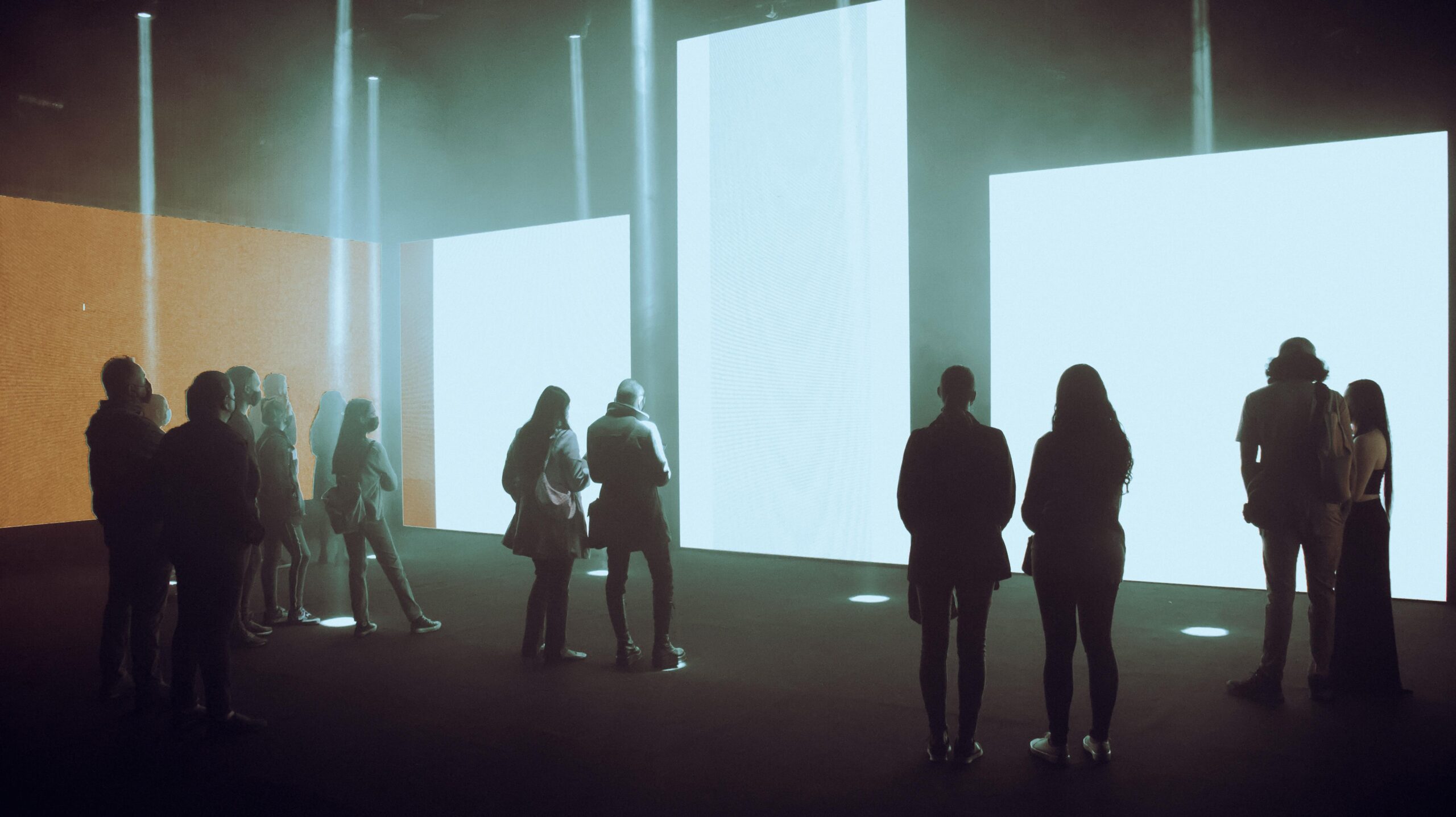
History doesn’t have to be confined to dusty textbooks and memorized dates. Today’s learners crave engagement, immersion, and experiences that make the past feel tangible and relevant to their lives.

Interactive history education is revolutionizing how students connect with historical events, figures, and cultures. By leveraging technology, hands-on activities, and innovative teaching methods, educators are transforming passive learning into active exploration that ignites curiosity and deepens understanding across all age groups.
🎭 Why Traditional History Teaching Falls Short
For generations, history education has relied heavily on lectures, textbooks, and rote memorization. Students were expected to absorb names, dates, and events without necessarily understanding the human stories behind them. This approach often resulted in disengagement, with many learners viewing history as irrelevant to their modern lives.
The problem with traditional methods lies in their passive nature. When students sit as mere recipients of information, they struggle to form emotional connections with historical content. Without personal investment, retention suffers, and the valuable lessons history offers get lost in a sea of forgotten facts.
Research consistently shows that active learning strategies produce better educational outcomes than passive reception. Students who interact with material, ask questions, and explore concepts through multiple modalities demonstrate higher comprehension and longer retention. This evidence has driven the shift toward interactive approaches in history education.
🚀 The Rise of Interactive History Education
Interactive history education encompasses a wide range of teaching strategies that place students at the center of the learning experience. Rather than simply hearing about the past, learners become active participants who investigate, analyze, and even recreate historical moments.
This approach recognizes that history is fundamentally about human experiences. By creating opportunities for students to walk in the shoes of historical figures, understand different perspectives, and grapple with complex decisions, educators help bring the past to life in meaningful ways.
The transformation goes beyond mere entertainment. Interactive methods develop critical thinking skills, empathy, analytical abilities, and a nuanced understanding of cause and effect. Students learn to question sources, consider multiple viewpoints, and recognize how past events continue to shape our present reality.
Key Components of Interactive History Learning
Effective interactive history education incorporates several essential elements that work together to create immersive learning experiences:
- Student agency: Learners make choices and influence their educational journey
- Multimodal resources: Visual, auditory, kinesthetic, and digital materials cater to diverse learning styles
- Collaborative exploration: Group activities encourage discussion and perspective-sharing
- Real-world connections: Links between historical events and contemporary issues
- Inquiry-based investigation: Students formulate questions and seek answers independently
- Emotional engagement: Personal connections that make history feel relevant and important
📱 Technology as a Gateway to the Past
Digital tools have opened unprecedented possibilities for interactive history education. Virtual reality, augmented reality, gaming platforms, and mobile applications allow students to experience historical settings and events in ways that were impossible just a decade ago.
Virtual reality experiences can transport students to ancient Rome, place them on the battlefield at Gettysburg, or let them explore the interior of Egyptian pyramids. These immersive environments create powerful sensory experiences that forge lasting memories and deeper understanding.
Augmented reality applications overlay historical information onto real-world locations. Students can point their devices at historical sites and see reconstructions of how they appeared centuries ago, or access primary source documents and expert commentary about specific locations.
Educational Apps Revolutionizing History Learning
Mobile applications have democratized access to interactive history education. Students can now explore historical content anywhere, at their own pace, with apps that gamify learning and provide immediate feedback.
Many educational apps use storytelling techniques combined with interactive elements to make history engaging. These platforms often include quizzes, challenges, and achievement systems that motivate continued learning while providing educators with data on student progress and comprehension.
Timeline applications help students visualize the relationship between events, understanding how developments in different regions influenced each other. Interactive maps show the rise and fall of empires, migration patterns, and the spread of ideas across continents and centuries.
🎨 Hands-On Activities That Bring History Alive
Physical, tactile experiences remain powerful tools for interactive history education. Role-playing activities, historical reenactments, and artifact analysis provide kinesthetic learners with opportunities to engage directly with historical concepts.
Historical simulations place students in decision-making roles, requiring them to navigate complex situations with limited information—just as historical figures did. Whether negotiating international treaties, managing resources during a crisis, or deciding military strategy, these activities build empathy and understanding of historical constraints and pressures.
Archaeological simulations allow students to excavate replica sites, analyze findings, and draw conclusions about past cultures. This hands-on approach teaches the scientific method while demonstrating how historians piece together information from fragmentary evidence.
Museum Partnerships and Field Experiences
Museums have evolved from static display spaces into interactive learning environments. Modern exhibits invite visitors to touch replicas, participate in activities, and engage with history through multiple senses.
Educational partnerships between schools and museums create opportunities for curated learning experiences. Students can examine primary sources, interact with period artifacts, and participate in workshops led by historians and museum educators who bring specialized expertise.
Living history sites take engagement further by recreating entire historical environments. Students interact with costumed interpreters, try period activities like blacksmithing or weaving, and experience daily life as it existed in different eras. These immersive experiences create powerful emotional connections that textbooks cannot replicate.
🌍 Global Perspectives Through Virtual Connections
Technology enables students from different countries and cultures to collaborate on historical projects, sharing diverse perspectives that enrich understanding. Video conferencing, collaborative online platforms, and social media connections break down geographical barriers.
Students in the United States can discuss World War II with peers in Germany and Japan, gaining insights into how the same events are remembered and taught in different cultural contexts. These exchanges challenge assumptions, broaden perspectives, and demonstrate the complexity of historical interpretation.
Virtual exchange programs allow students to explore historical sites remotely through guided video tours conducted by students or educators at those locations. A class in Australia might give peers in Brazil a real-time tour of historical sites in Sydney, while receiving a reciprocal tour of historical locations in São Paulo.
📚 Storytelling and Narrative Approaches
Humans are hardwired for stories. Interactive history education leverages this by presenting historical content through compelling narratives that feature relatable characters facing meaningful challenges.
Historical fiction, when carefully researched and properly contextualized, provides an engaging entry point into different time periods. Students emotionally invest in characters’ journeys while absorbing historically accurate details about daily life, social structures, and cultural norms.
Digital storytelling projects empower students to become history creators rather than just consumers. By researching historical topics and producing their own documentaries, podcasts, or interactive presentations, learners develop deep understanding while building valuable communication skills.
Primary Source Analysis Through Interactive Platforms
Digital archives have made millions of primary sources accessible to students worldwide. Interactive platforms guide learners through document analysis, teaching critical evaluation skills while connecting them directly with historical voices.
Annotation tools allow students to collaboratively examine photographs, letters, speeches, and other primary materials. Teachers can pose questions that guide analysis, while students share observations and interpretations, learning to support claims with textual evidence.
Comparison tools let students examine multiple accounts of the same event, recognizing bias, perspective, and the constructed nature of historical narratives. This critical approach prepares students to navigate today’s information landscape with skepticism and analytical rigor.
🎮 Gamification and Game-Based Learning
Historical video games and educational game design have created engaging ways for students to explore complex historical systems and consequences. Strategy games set in historical periods require players to manage resources, make diplomatic decisions, and understand the interconnected factors that shaped historical outcomes.
Educational game designers increasingly collaborate with historians to ensure accuracy while maintaining engagement. These games present historical challenges authentically, requiring players to work within period constraints and understand the limitations faced by historical decision-makers.
Classroom-based gamification transforms learning objectives into quests, challenges, and achievements. Students earn points, badges, or privileges for demonstrating historical knowledge and skills, tapping into motivational systems that encourage continued effort and improvement.
👥 Collaborative Projects That Build Historical Understanding
Group projects encourage students to pool knowledge, debate interpretations, and create shared understanding. Collaborative approaches mirror how professional historians work, discussing evidence and challenging each other’s conclusions to reach more nuanced interpretations.
Historical debate activities assign students different perspectives on controversial historical decisions or events. By researching and arguing from assigned viewpoints, learners develop empathy for diverse positions while understanding the complexity of historical situations.
Crowdsourced history projects engage students in contributing to larger historical databases or archives. Transcribing historical documents, tagging photographs, or researching local history for community archives gives students meaningful work that contributes to preservation and accessibility of historical knowledge.
🔍 Assessment in Interactive History Education
Interactive approaches require rethinking assessment methods. Rather than relying solely on traditional tests, educators employ diverse evaluation strategies that measure understanding, analysis, and application of historical knowledge.
Performance-based assessments ask students to demonstrate learning through projects, presentations, or creative works. These authentic assessments better measure deep understanding than multiple-choice tests, though they require more sophisticated rubrics and evaluation time.
Digital portfolios allow students to compile evidence of learning over time, reflecting on their growing historical understanding and making connections between different topics and themes. This metacognitive practice deepens learning while providing comprehensive assessment data.
💡 Overcoming Challenges in Implementation
Despite its benefits, interactive history education faces implementation challenges. Technology access remains uneven, with some schools and students lacking devices or reliable internet connectivity necessary for digital interactive experiences.
Professional development is essential. Teachers need training not just in technology use but in pedagogical strategies that maximize interactive approaches. Without proper support, even well-intentioned initiatives may fail to achieve their potential.
Time constraints present another obstacle. Interactive activities often require more class time than traditional lectures, creating tension with curriculum coverage requirements. Educators must strategically select which topics warrant deep interactive exploration and which receive more streamlined treatment.
Balancing Coverage and Depth
The tension between covering broad historical content and exploring topics deeply affects all history education but becomes particularly acute with interactive approaches. Educators must make difficult decisions about prioritization.
Many successful programs adopt a “spiral” approach, introducing topics briefly in one context then returning to explore them more deeply through interactive methods later. This strategy provides both breadth and depth while acknowledging time limitations.
Thematic organization helps students recognize patterns across time periods and cultures, making learning more efficient than purely chronological approaches. Interactive explorations of themes like power, innovation, or conflict provide frameworks that transfer across different historical contexts.
🌟 The Future of Interactive History Education
Emerging technologies promise even more immersive and personalized history learning experiences. Artificial intelligence could provide adaptive learning paths tailored to individual students’ interests, prior knowledge, and learning preferences.
Haptic technology may soon allow students to “feel” historical artifacts or environments, adding another sensory dimension to virtual experiences. Combined with VR and AR, these technologies could create remarkably realistic historical simulations.
Blockchain technology might revolutionize how students create and share historical research, building verifiable digital portfolios of their work that follow them throughout their educational journey and potentially into professional contexts.

🎯 Making History Matter for Today’s Learners
The ultimate goal of interactive history education extends beyond knowledge acquisition. By bringing the past to life, educators help students understand themselves, their communities, and their world more deeply.
When students see how historical forces shaped current realities, they recognize their own agency in shaping the future. History stops being irrelevant trivia and becomes a toolkit for understanding contemporary challenges and imagining solutions.
Interactive approaches develop transferable skills that serve students throughout their lives: critical thinking, source evaluation, perspective-taking, and evidence-based argumentation. These capabilities prove valuable regardless of students’ eventual career paths.
By transforming history education from passive reception to active exploration, we create learners who value the past, understand the present, and feel empowered to shape the future. The investment in interactive history education pays dividends not just in test scores but in preparing informed, engaged citizens ready to tackle the complex challenges of their time.
As technology continues evolving and pedagogical understanding deepens, the possibilities for bringing history to life will only expand. Educators who embrace interactive approaches position their students for success while rekindling the fundamental human connection to stories of those who came before us. The past becomes not a burden to memorize but a rich resource to explore, question, and learn from—a living conversation between then and now.