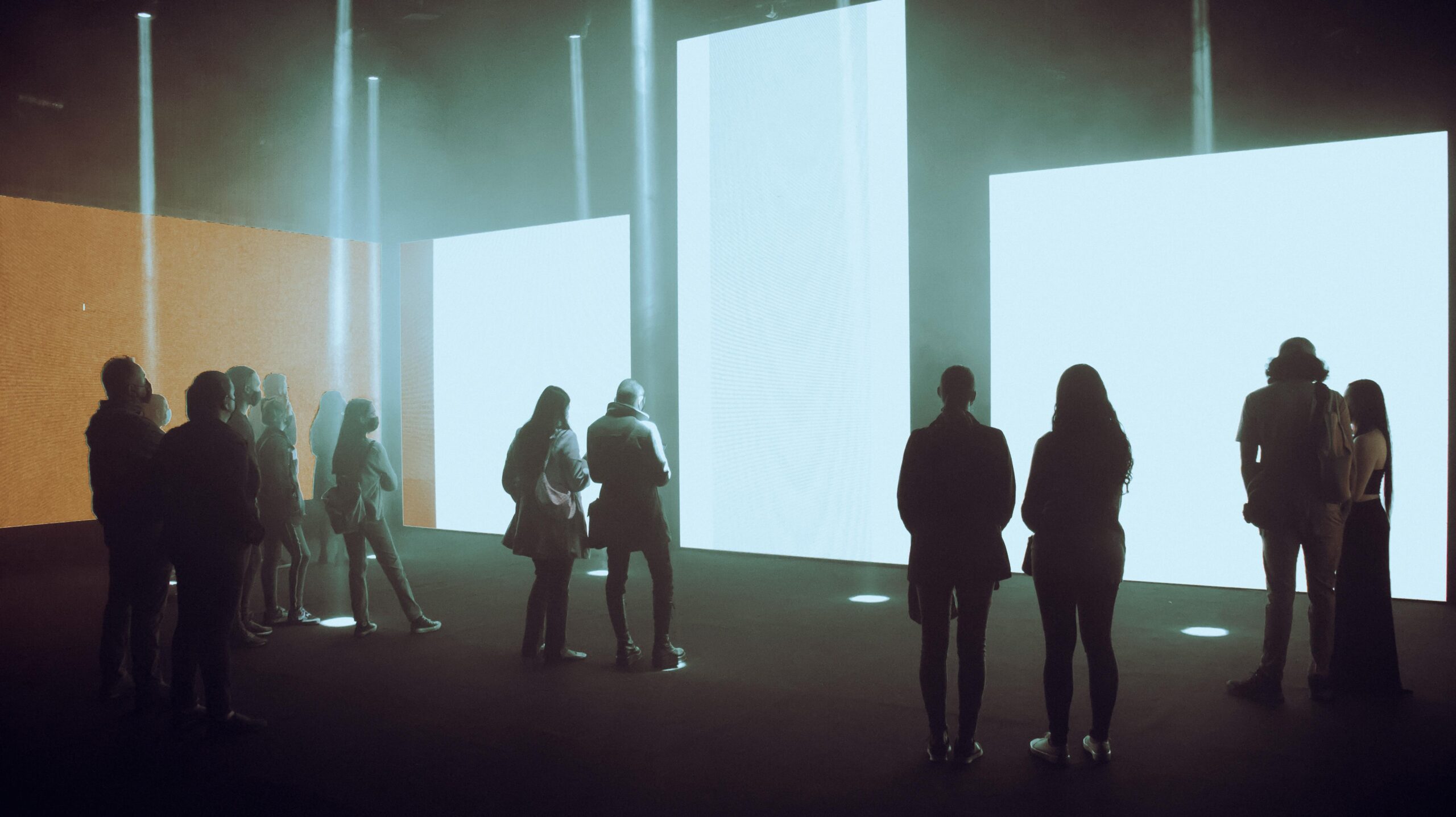
The digital revolution is reshaping how we experience culture, and metaverse cultural exhibits are leading this transformation with unprecedented possibilities.

Museums, galleries, and cultural institutions worldwide are embracing virtual reality technologies to create immersive experiences that transcend physical boundaries. This convergence of art, history, and technology is opening doors to creative expression and cultural preservation that were unimaginable just a decade ago. As we stand at this exciting intersection, the metaverse is proving to be more than a technological novelty—it’s becoming a revolutionary platform for cultural exchange and artistic innovation.
🌐 The Dawn of Cultural Metaverse Experiences
The metaverse represents a collective virtual shared space where digital and physical realities converge. Within this realm, cultural exhibits are flourishing as institutions recognize the potential to reach global audiences without geographical constraints. Traditional museums face limitations of physical space, accessibility, and preservation challenges that virtual environments elegantly solve.
Major institutions like the Louvre, the British Museum, and the Smithsonian have already begun experimenting with digital twins of their collections. These virtual replicas allow millions of people who may never visit Paris, London, or Washington D.C. to explore priceless artifacts and masterpieces in stunning detail. The democratization of culture through technology is perhaps the most significant benefit of metaverse cultural exhibits.
Breaking Down Barriers to Cultural Access
Physical museums require travel, admission fees, and often face crowds that limit the quality of experience. Metaverse exhibits eliminate these obstacles entirely. A student in rural India can now explore Renaissance art with the same intimacy as someone standing in Florence. A mobility-impaired individual can navigate virtual galleries designed for complete accessibility without architectural constraints.
This accessibility extends beyond physical limitations. Virtual exhibits can offer multilingual support, customizable interfaces for different learning styles, and interactive elements that engage visitors in ways static displays cannot. The educational potential is staggering when you consider how these technologies can be integrated into classroom learning globally.
🎨 Artistic Expression Unleashed in Virtual Spaces
Traditional art forms have always been constrained by physical materials and spatial limitations. A painting exists on canvas, a sculpture occupies three-dimensional space, and installations require specific environmental conditions. The metaverse shatters these constraints, allowing artists to work with impossible materials, physics-defying structures, and interactive elements that respond to viewer presence.
Digital artists are creating works that exist only in virtual space—sculptures that morph based on time of day, paintings that change with viewer interaction, and installations that span impossible distances. These creations aren’t limited by gravity, material costs, or conservation concerns. An artist can build a cathedral of light, a garden of living data, or a portrait that ages in real-time alongside its subject.
The Rise of NFT Galleries and Digital Ownership
Non-fungible tokens have introduced a revolutionary concept to the art world: verifiable ownership of digital creations. Metaverse galleries now showcase NFT art collections where visitors can view, purchase, and trade unique digital artworks. This has created entirely new economic models for artists who previously struggled to monetize digital work.
Virtual galleries hosting NFT exhibitions provide curatorial context, artist statements, and community spaces where collectors and creators interact. Platforms like Decentraland, Cryptovoxels, and Spatial have become recognized venues for serious art exhibitions, with some digital artworks selling for millions of dollars. This legitimization of digital art through blockchain technology has transformed the contemporary art landscape.
📚 Historical Preservation Through Digital Recreation
One of the most profound applications of metaverse technology is in historical preservation. Archaeological sites face constant threats from climate change, conflict, tourism wear, and natural disasters. Digital recreation provides an insurance policy against loss while enabling unprecedented research opportunities.
The ancient city of Palmyra, partially destroyed by conflict, has been meticulously recreated in virtual space using photographs, archaeological data, and historical records. Visitors can now walk through the Temple of Bel as it stood for centuries, experiencing the scale and grandeur that physical ruins can no longer convey. These digital reconstructions serve both memorial and educational functions.
Interactive Historical Experiences
Beyond static reconstruction, metaverse historical exhibits can incorporate interactive elements that bring the past to life. Imagine exploring ancient Rome with period-appropriate ambient sounds, encountering AI-driven historical figures who share their stories, or witnessing historical events unfold through carefully researched recreations.
Educational institutions are developing curriculum-aligned historical metaverse experiences where students don’t just read about the French Revolution—they walk the streets of revolutionary Paris, attend National Assembly sessions, and interact with simulations based on historical accounts. This immersive learning creates emotional connections to history that textbooks struggle to achieve.
🔮 Technological Foundations Enabling Cultural Metaverses
The cultural metaverse relies on convergent technologies working in harmony. Virtual reality headsets provide immersive visual experiences, but they’re just one component of a complex technological ecosystem. Understanding these foundations helps appreciate both current capabilities and future potential.
Key Technologies Driving Metaverse Cultural Exhibits
- Virtual Reality (VR) and Augmented Reality (AR): Headsets and mobile devices that create immersive visual and spatial experiences
- 3D Scanning and Photogrammetry: Techniques that capture physical objects and spaces in digital detail
- Blockchain Technology: Enables digital ownership verification and NFT marketplaces
- Artificial Intelligence: Powers interactive guides, personalized experiences, and content generation
- Cloud Computing: Provides the processing power and storage for complex virtual environments
- 5G Connectivity: Delivers the bandwidth necessary for seamless real-time experiences
- Haptic Feedback Systems: Add tactile dimensions to virtual interactions
As these technologies mature and become more accessible, the quality and accessibility of metaverse cultural experiences continue improving. What required expensive equipment and technical expertise just years ago is becoming available through smartphone applications and affordable VR headsets.
🌍 Global Cultural Exchange in Virtual Spaces
Perhaps the most transformative aspect of metaverse cultural exhibits is their capacity to facilitate genuine cross-cultural exchange. Traditional cultural diplomacy relies on physical exhibitions traveling between countries—expensive, logistically complex endeavors limited to major institutions. Virtual exhibitions eliminate these barriers entirely.
A museum in Seoul can instantly share Korean cultural heritage with audiences in São Paulo, Lagos, and Stockholm simultaneously. Indigenous communities can control the presentation of their cultural artifacts, providing context and interpretation that colonial-era museum labels often lacked. Diaspora communities can maintain connections to cultural heritage through virtual access to homeland institutions.
Collaborative International Exhibitions
Metaverse platforms enable unprecedented collaboration between institutions that would struggle to coordinate physical exhibitions. Museums across different continents can contribute pieces to unified virtual exhibitions exploring global themes—the history of textile arts, evolution of writing systems, or cultural responses to natural phenomena.
These collaborative exhibitions create narratives impossible in physical space, where objects separated by thousands of miles can be viewed side-by-side for comparative analysis. Scholars and curators can annotate exhibits collaboratively, and visitors can access research materials, conservation reports, and multimedia context that physical space constraints would prohibit.
🎭 Performing Arts and Live Cultural Events
Cultural exhibits aren’t limited to static displays of objects. The metaverse is becoming a vibrant venue for performing arts, with virtual concert halls, theaters, and performance spaces hosting live events. Artists are experimenting with performance possibilities that physical venues cannot accommodate.
Musicians perform in impossible venues—inside volcanoes, underwater, or in abstract geometric spaces. Dancers collaborate across continents in real-time, their avatars sharing virtual stages. Theater productions incorporate audience interaction at scales impossible in physical theaters, with hundreds of viewers influencing narrative direction through collective choices.
Economic Models for Virtual Cultural Events
Monetizing virtual cultural events presents both challenges and opportunities. Ticketing systems for metaverse performances can reach global audiences, but pricing strategies must account for economic disparities across regions. Some institutions adopt tiered pricing, free access with premium features, or sponsor-supported free events to balance accessibility with sustainability.
Virtual merchandise—wearable items for avatars, digital souvenirs, and NFT commemoratives—creates additional revenue streams. Fans purchase virtual concert t-shirts their avatars wear, or limited-edition digital posters commemorating performances. These economic innovations are still evolving as institutions learn what audiences value in virtual spaces.
🛠️ Creating Your Own Metaverse Cultural Experience
The tools for creating metaverse cultural content are becoming increasingly accessible. Small museums, independent artists, and cultural organizations with limited budgets can now develop virtual exhibitions using platforms designed for non-technical users.
Platforms like Mozilla Hubs, Spatial, and AltspaceVR offer intuitive interfaces for building virtual spaces and uploading 3D content. Free photogrammetry software enables high-quality 3D scanning using just a smartphone camera. Online communities provide tutorials, asset libraries, and collaborative support for cultural institutions entering the metaverse.
Best Practices for Cultural Metaverse Design
- Prioritize Accessibility: Design experiences that work across device types and accommodate various abilities
- Respect Cultural Sensitivity: Consult source communities when representing cultural heritage
- Provide Context: Virtual freedom doesn’t eliminate the need for curatorial interpretation and educational content
- Balance Innovation and Usability: Cutting-edge features shouldn’t compromise user experience
- Plan for Preservation: Digital content requires maintenance and migration strategies
- Foster Community: Include social features that enable visitor interaction and community building
⚖️ Challenges and Ethical Considerations
Despite tremendous potential, metaverse cultural exhibits face significant challenges. Digital divides mean that populations most underrepresented in traditional cultural institutions may also lack access to virtual experiences. High-quality VR equipment remains expensive, and reliable internet connectivity isn’t universal.
Questions of digital repatriation arise when institutions create virtual exhibits of cultural artifacts acquired through colonialism. Does digitization and virtual access address ethical concerns about physical possession, or does it create new forms of cultural appropriation? These questions require ongoing dialogue between institutions, source communities, and ethicists.
Privacy and Data Concerns
Metaverse platforms collect extensive user data—movement patterns, viewing preferences, interaction behaviors, and biometric information from VR headsets. Cultural institutions must navigate privacy regulations while using analytics to improve experiences. Transparency about data collection and usage is essential for maintaining public trust.
Commercial metaverse platforms may prioritize profit over cultural values, potentially influencing how culture is presented and experienced. Institutions must carefully evaluate partnerships to ensure cultural missions aren’t compromised by platform constraints or commercial interests.
🚀 The Future Horizon of Cultural Metaverses
Emerging technologies promise even more transformative cultural experiences. Brain-computer interfaces could enable thought-controlled navigation and emotional response tracking. Artificial intelligence may generate personalized exhibition narratives adapted to individual interests and knowledge levels. Quantum computing could power unprecedented simulation fidelity for historical recreations.
The distinction between physical and virtual cultural experiences may blur as augmented reality overlays digital content onto physical museum visits. A visitor might see a ancient statue as it appeared when newly created—fully painted, in its original architectural context—while standing before the weathered artifact in a traditional museum.
Generational Shifts in Cultural Engagement
Younger generations who grow up as digital natives will likely view metaverse cultural experiences as equally legitimate as physical ones. Just as previous generations adapted to film, television, and internet as cultural mediums, future audiences will seamlessly navigate virtual and physical cultural spaces.
This generational shift will influence how cultural institutions allocate resources, design experiences, and measure success. Metrics beyond physical attendance—engagement duration, social sharing, return visits, and community participation—will become increasingly important measures of cultural impact.

🎯 Embracing the Cultural Revolution
The metaverse represents neither the death of traditional cultural institutions nor a complete replacement for physical experiences. Rather, it’s an expansion of possibilities—a new medium through which humanity can preserve, share, and create culture. The most successful cultural organizations will embrace hybrid models that leverage both physical and virtual strengths.
Physical museums offer irreplaceable encounters with authentic objects, the social experience of shared space, and architectural grandeur. Virtual exhibits provide accessibility, experimental creativity, and preservation capabilities. Together, they create a richer cultural ecosystem than either could achieve alone.
As we dive deeper into this future, the boundless creativity of artists, historians, technologists, and cultural practitioners will continue expanding what’s possible. The metaverse isn’t a predetermined destination but an evolving space shaped by those who build within it. Cultural institutions embracing this evolution position themselves not just to survive technological change but to lead humanity’s ongoing cultural journey.
The invitation is clear: explore, experiment, and contribute to this emerging cultural landscape. Whether as creators, curators, or curious visitors, everyone has a role in shaping how culture evolves in virtual spaces. The future of art and history isn’t something we simply observe—it’s something we actively create together in the metaverse.