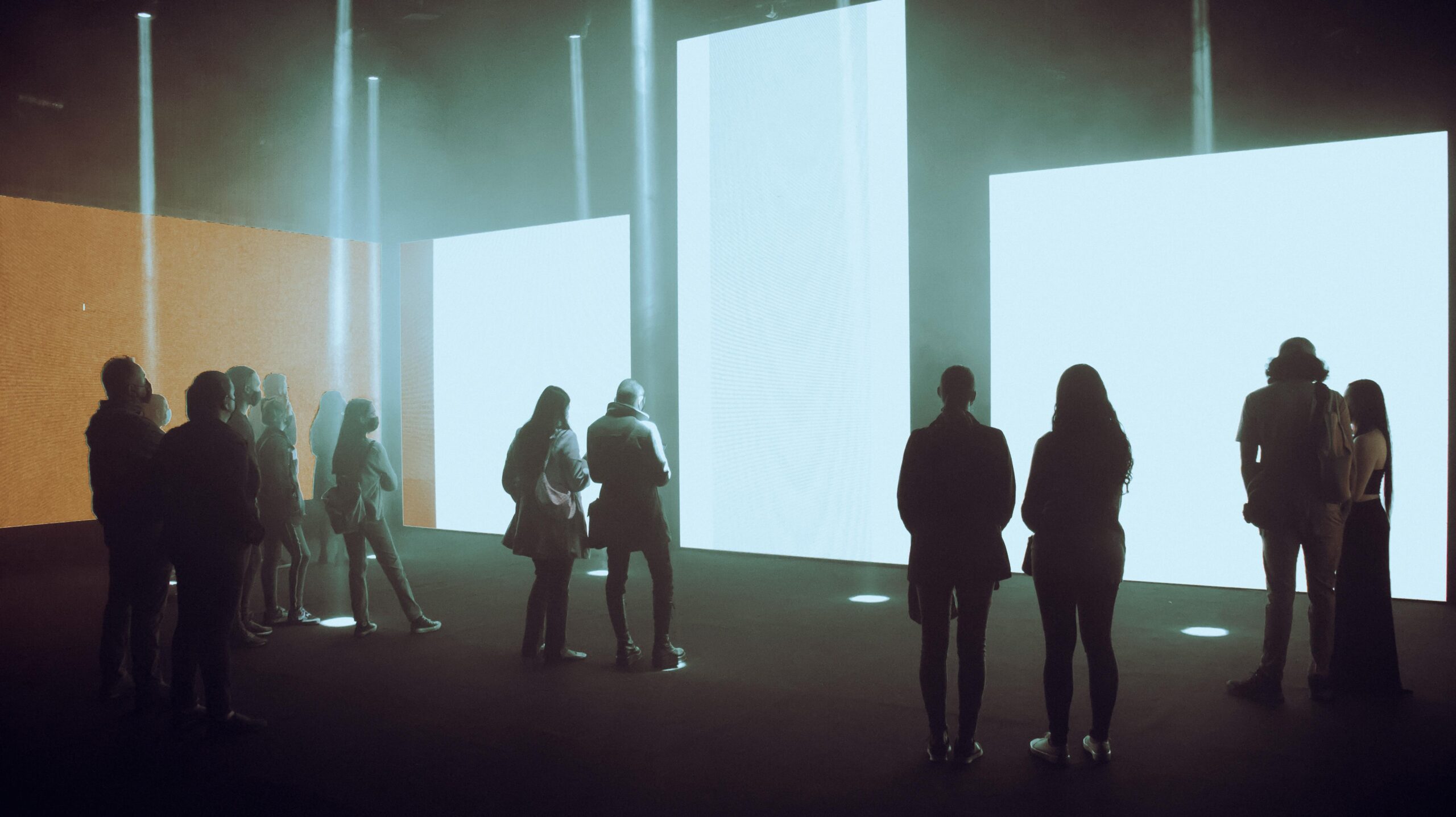
The world’s greatest museums are now accessible from anywhere, breaking down geographical and financial barriers. Virtual museum experiences have revolutionized how we engage with art, history, and culture, offering unprecedented access to humanity’s most treasured collections.

Imagine standing before the Mona Lisa without the crowds, exploring ancient Egyptian tombs at midnight, or examining intricate Renaissance brushstrokes so closely that you can see every detail. This isn’t science fiction—it’s the reality of virtual museum adventures that are transforming cultural education and entertainment for millions worldwide.
🎨 The Digital Revolution in Museum Accessibility
Virtual museums have emerged as powerful tools for democratizing access to cultural heritage. Traditional museums face limitations: opening hours, admission fees, travel costs, and physical capacity constraints. Digital platforms eliminate these barriers, allowing anyone with an internet connection to explore world-class collections.
Major institutions like the Louvre, the British Museum, the Smithsonian, and the Metropolitan Museum of Art have invested heavily in creating immersive digital experiences. These aren’t simple photo galleries—they’re sophisticated virtual environments that replicate the feeling of actually walking through exhibition halls.
The technology behind these experiences has evolved dramatically. High-resolution 360-degree photography, 3D scanning, virtual reality integration, and interactive multimedia content combine to create experiences that sometimes surpass physical visits. You can zoom into artworks closer than museum glass would ever permit, access detailed information instantly, and explore at your own pace without feeling rushed.
Exploring Art History Through Virtual Galleries
Art museums have been pioneers in the virtual space, recognizing that digital platforms can complement rather than replace physical visits. The Google Arts & Culture platform stands as perhaps the most comprehensive virtual museum resource available today, partnering with over 2,000 institutions worldwide.
Through these platforms, you can trace artistic movements across centuries and continents. Start your morning examining Impressionist masterpieces at the Musée d’Orsay in Paris, then jump to contemporary installations at the MoMA in New York, before finishing with ancient Greek sculptures at the Acropolis Museum in Athens—all without leaving your home.
Discovering Artistic Details Never Before Visible
One of the most revolutionary aspects of virtual museum experiences is the ability to examine artworks in unprecedented detail. Many platforms offer “gigapixel” technology, where ultra-high-resolution images allow viewers to zoom in dramatically on paintings and sculptures.
This technology reveals brushstroke techniques, underdrawings, restoration work, and tiny details that even museum visitors standing directly before the artwork might miss. Art students and enthusiasts can study techniques used by masters like Vermeer, Van Gogh, or Caravaggio with a level of detail previously available only to conservators and researchers.
📚 Historical Treasures at Your Fingertips
Beyond art galleries, virtual museums excel at bringing history to life. Historical museums face unique challenges in physical spaces—artifacts are fragile, storage capacity is limited, and comprehensive contextualization can be difficult within exhibition halls.
Digital platforms overcome these limitations brilliantly. The British Museum’s virtual collection contains millions of objects, many never displayed in physical galleries. Each item comes with detailed descriptions, historical context, and often related multimedia content that enriches understanding.
Walking Through Ancient Civilizations
Virtual reality technology has enabled something truly magical: reconstructions of historical sites as they appeared in their prime. You can explore the Roman Forum as it looked during the Empire’s height, walk through Mayan temples before they became ruins, or experience medieval castles complete with period furnishings.
These reconstructions aren’t mere entertainment—they’re valuable educational tools backed by archaeological research and historical scholarship. They help visitors understand spatial relationships, daily life, and architectural achievements in ways that ruins and artifacts alone cannot convey.
Cultural Heritage Preservation Through Digitization
Virtual museum projects serve a crucial preservation function. Many cultural heritage sites face threats from climate change, political instability, natural disasters, and simple deterioration over time. The tragic destruction of artifacts in Palmyra, Syria, and the fire at Brazil’s National Museum highlighted the vulnerability of irreplaceable cultural treasures.
Digitization creates permanent records of these artifacts and sites. Even if physical objects are damaged or destroyed, their digital representations preserve their appearance, measurements, and context for future generations. This isn’t just about backup—it’s about ensuring cultural continuity.
Indigenous and Underrepresented Collections
Virtual platforms have also democratized access to collections that previously received little attention. Indigenous artifacts, regional folk art, and cultural materials from underrepresented communities often languish in storage due to limited exhibition space and resources.
Digital museums can showcase these collections prominently, giving them visibility they’ve never had. This shift helps correct historical imbalances in cultural representation and allows communities to maintain connections with dispersed heritage materials.
🌍 Interactive Learning Experiences for All Ages
Educational value stands among the strongest arguments for virtual museum experiences. Traditional museum visits, while valuable, often struggle to engage younger audiences accustomed to interactive digital content.
Virtual museum platforms have developed innovative educational features tailored to different learning styles and age groups. Interactive quizzes, augmented reality experiences, storytelling elements, and gamified exploration encourage active engagement rather than passive observation.
Virtual Field Trips Transforming Classroom Learning
Schools worldwide have embraced virtual museum visits as powerful educational tools. A classroom in rural India can explore the Smithsonian, while students in landlocked countries can visit maritime museums with comprehensive ship collections.
These virtual field trips eliminate the logistical challenges and costs of physical excursions while offering experiences that would otherwise be impossible. Teachers can prepare students beforehand, focus on specific exhibits relevant to their curriculum, and revisit materials later for reinforcement.
Technology Powering Immersive Museum Adventures
The technology ecosystem supporting virtual museums continues to evolve rapidly. Several key technologies work together to create these immersive experiences:
- 360-Degree Photography: Captures complete environments, allowing viewers to look in any direction as if physically present
- 3D Scanning and Modeling: Creates detailed three-dimensional representations of objects that can be rotated and examined from all angles
- Virtual Reality Headsets: Provide truly immersive experiences with spatial depth and head-tracking movement
- Augmented Reality: Overlays digital information and objects onto real-world environments viewed through smartphone cameras
- Artificial Intelligence: Powers chatbots that answer questions, recommendation systems that suggest relevant content, and even image recognition for identifying artworks
Accessibility Features Opening Museums to Everyone
Virtual museums excel at accessibility in ways physical spaces struggle to match. People with mobility challenges can explore multi-story museums without worrying about stairs or long walking distances. Audio descriptions serve visually impaired visitors, while visual content benefits those with hearing impairments.
Language translation features make international collections accessible regardless of linguistic barriers. Cognitive accessibility tools help visitors with learning differences or neurodivergence engage with content at their own pace and in formats that work best for them.
🎭 Specialized Collections and Niche Museums
The virtual space has enabled the creation and visibility of specialized museums that might struggle to attract sufficient foot traffic in physical locations. Museums dedicated to specific topics—from vintage computers to historical musical instruments, from space exploration to fashion history—can reach global audiences passionate about these subjects.
These niche collections often provide depth that generalist museums cannot match. Enthusiasts can spend hours exploring comprehensive collections in their areas of interest, accessing expert knowledge and rare items that physical space constraints would never allow in traditional settings.
Social and Collaborative Virtual Museum Experiences
Modern virtual museum platforms increasingly incorporate social features, recognizing that cultural experiences are often enhanced by sharing and discussion. Virtual tours can be experienced with friends or family members in different locations, with synchronized viewing and real-time communication.
Community features allow visitors to create and share collections, write reviews, ask questions answered by experts or fellow enthusiasts, and participate in discussions about specific artworks or historical periods. These social elements transform solitary viewing into communal cultural experiences.
Virtual Events and Live Programming
Many museums have developed robust virtual programming beyond static collections. Live-streamed curator talks, virtual exhibition openings, interactive workshops, and online lecture series bring the dynamic aspects of museum culture into the digital realm.
These events often attract larger audiences than physical equivalents could accommodate, and recorded versions remain available for those who cannot attend live sessions. This approach dramatically extends the reach and impact of museum educational programming.
🖼️ The Future of Virtual Museum Technology
The trajectory of virtual museum development points toward increasingly sophisticated and immersive experiences. Emerging technologies promise to blur the lines between physical and digital even further.
Haptic feedback systems under development will eventually allow visitors to “feel” textures of artifacts and artworks. Advanced VR environments will enable social presence, where you see and interact with other visitors’ avatars while exploring collections together. AI-powered personalization will create customized tours based on individual interests and knowledge levels.
Blockchain and Digital Ownership
Blockchain technology is beginning to influence virtual museums through digital provenance tracking and NFT-based digital collections. Some institutions are exploring how these technologies might fund preservation efforts while creating new forms of digital cultural engagement.
While controversial, these developments represent museums’ ongoing adaptation to technological change and their search for sustainable funding models in increasingly digital environments.
Practical Tips for Maximizing Your Virtual Museum Adventures
To get the most from virtual museum experiences, consider these strategies for enhanced engagement and learning:
- Use Quality Display Technology: Large screens or VR headsets significantly enhance immersion compared to small smartphone displays
- Create Dedicated Time: Treat virtual visits like physical ones by scheduling uninterrupted time rather than casual browsing
- Follow Thematic Paths: Explore collections by theme, period, or artist rather than randomly clicking to create coherent learning experiences
- Take Digital Notes: Screenshot favorites, save collections, and record observations for later reflection and deeper engagement
- Combine Physical and Virtual: Use virtual visits to prepare for or follow up on physical museum trips, creating integrated experiences
The Enduring Value of Physical Museums
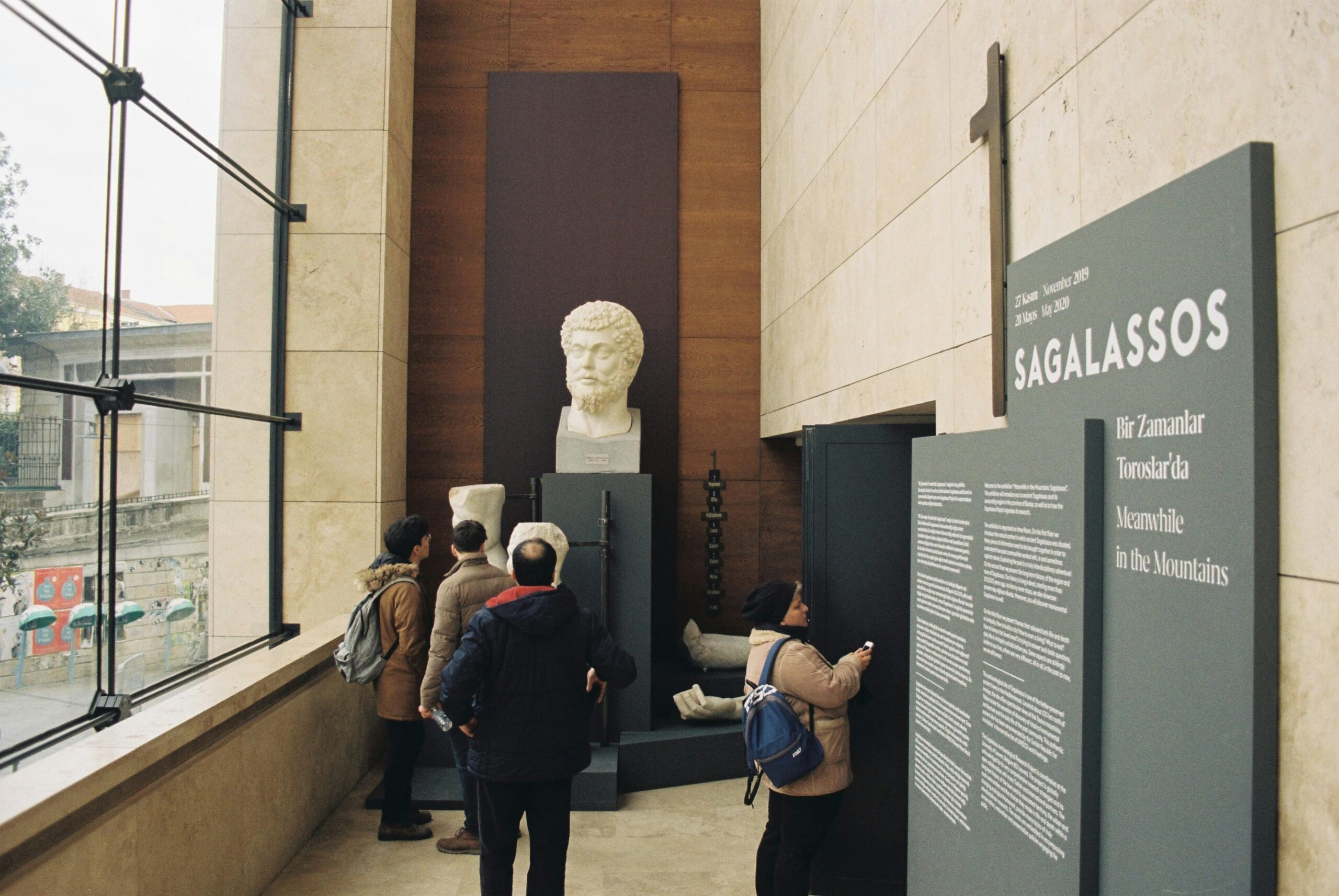
Despite the remarkable capabilities of virtual platforms, physical museums retain irreplaceable qualities. The authentic presence of objects that have survived centuries carries emotional weight that digital representations cannot fully replicate. The social atmosphere of shared cultural spaces, the serendipitous discoveries while wandering galleries, and the complete sensory experience of museum architecture contribute to experiences that virtual platforms complement rather than replace.
The ideal future involves not competition but synergy between physical and virtual museums. Digital platforms extend reach, enable detailed study, provide accessibility, and preserve heritage, while physical museums offer authentic encounters, community gathering spaces, and the irreplaceable experience of standing before actual historical objects and artworks.
🚀 Starting Your Virtual Museum Journey Today
Beginning your exploration of virtual museums requires nothing more than curiosity and an internet connection. Major platforms like Google Arts & Culture offer free access to thousands of museums worldwide. Institution-specific websites from museums like the Rijksmuseum, the Vatican Museums, and the National Gallery provide deep dives into specific collections.
For those seeking more immersive experiences, affordable VR headsets open access to specialized museum applications that provide room-scale exploration and interactive elements. Many museums offer free VR apps compatible with budget-friendly headsets.
The democratization of cultural access represents one of technology’s most significant contributions to human knowledge and understanding. Virtual museums break down barriers of geography, economics, and physical ability that have historically limited who could access humanity’s cultural heritage. They preserve endangered artifacts, showcase underrepresented collections, provide unparalleled educational resources, and inspire curiosity about art, history, and culture.
Whether you’re an art enthusiast, history buff, educator, student, or simply curious about the world, virtual museum adventures offer unlimited opportunities for exploration and discovery. The past, present, and future of human culture await your exploration—from wherever you are, whenever you choose. Step into these digital doorways and begin an adventure through the accumulated treasures of human civilization. 🎨