Kinetic sculpture represents one of the most captivating intersections where art meets engineering, transforming static visual experiences into dynamic, ever-changing displays that challenge our perceptions of both disciplines.

Throughout history, humanity has been fascinated by movement and mechanics. From ancient automata to modern interactive installations, the desire to breathe life into inanimate objects has driven innovation across centuries. Today’s kinetic sculptures leverage cutting-edge technologies, advanced materials, and sophisticated engineering principles to create experiences that transcend traditional artistic boundaries. These moving masterpieces don’t just occupy space—they transform it, creating dialogue between viewer, artwork, and environment in ways previously unimaginable.
🎨 The Evolution of Movement in Artistic Expression
The journey of kinetic art began long before the term was coined. Renaissance inventors like Leonardo da Vinci sketched elaborate mechanical designs that married function with aesthetic beauty. However, it wasn’t until the early 20th century that artists began seriously exploring motion as a primary artistic medium.
Marcel Duchamp’s “Bicycle Wheel” (1913) is often credited as one of the first kinetic sculptures in modern art history. Alexander Calder later revolutionized the field with his mobiles in the 1930s, introducing elegant, balanced structures that responded to air currents with graceful, unpredictable movements. These pioneers established foundational principles that contemporary artists continue to build upon.
The post-war period saw explosive growth in kinetic art, with artists like Jean Tinguely creating complex mechanical sculptures that incorporated found objects, motors, and intentional chaos. Tinguely’s work demonstrated that kinetic sculpture could be both technically sophisticated and conceptually provocative, opening doors for future generations of artist-engineers.
Engineering Principles Behind Dynamic Sculptures
Creating successful kinetic sculptures requires mastery of multiple engineering disciplines. Mechanical engineering provides the foundation for understanding motion, forces, and structural integrity. Every moving element must be carefully calculated to ensure smooth operation, longevity, and safety.
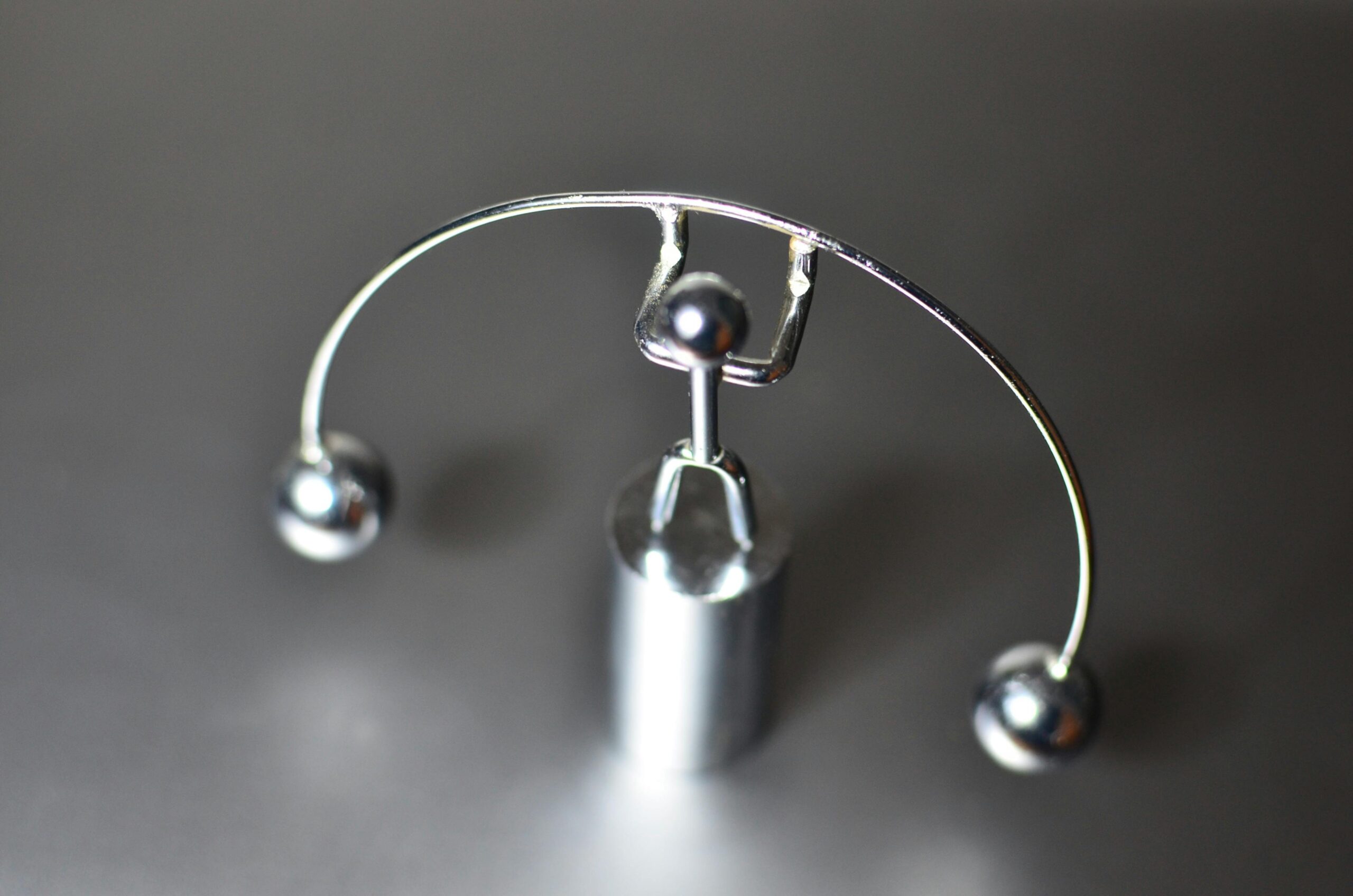
Balance and counterbalance become critical considerations. Unlike static sculptures where weight distribution remains constant, kinetic works must account for shifting centers of gravity as components move through their cycles. Engineers employ sophisticated modeling software to predict stress points, potential failure modes, and long-term wear patterns.
Material Science in Motion Art
Material selection profoundly impacts both aesthetic outcomes and functional performance. Modern kinetic sculptors have access to an unprecedented range of materials, each offering unique properties:
- Lightweight composites enable larger-scale movements with minimal energy consumption
- Shape-memory alloys can create transformations triggered by temperature changes
- Transparent polymers allow visibility into mechanical workings while protecting components
- Magnetic materials facilitate contactless motion and seemingly impossible floating effects
- Smart materials respond to environmental stimuli, creating reactive, adaptive sculptures
The choice between materials involves balancing weight, durability, cost, maintenance requirements, and visual qualities. Stainless steel offers longevity and industrial aesthetics, while bamboo might provide organic warmth with sustainable credentials. Contemporary sculptors often combine multiple materials, creating visual and textural contrasts that enhance the overall impact.
🔧 Technologies Driving Contemporary Kinetic Design
Digital fabrication technologies have democratized kinetic sculpture creation while enabling unprecedented complexity. Computer-aided design (CAD) software allows artists to visualize and test movements virtually before committing to physical construction. This iterative design process reduces waste and accelerates innovation.
3D printing has revolutionized prototyping and small-scale production. Complex geometries that would be prohibitively expensive or impossible using traditional manufacturing become achievable. Artists can now create custom gears, joints, and structural components optimized for specific artistic visions rather than constrained by off-the-shelf parts.
Microcontrollers and Programmable Motion
Arduino, Raspberry Pi, and similar microcontroller platforms have transformed kinetic sculpture from purely mechanical systems into intelligent, responsive installations. These compact computers enable precise control over motors, servos, and actuators, creating choreographed movements with mathematical precision.
Programming introduces repeatability and complexity impossible with mechanical systems alone. Sculptures can execute intricate sequences, respond to sensor inputs, or even incorporate machine learning algorithms that allow the artwork to evolve over time based on viewer interactions.
Interactive Installations: When Viewers Become Participants
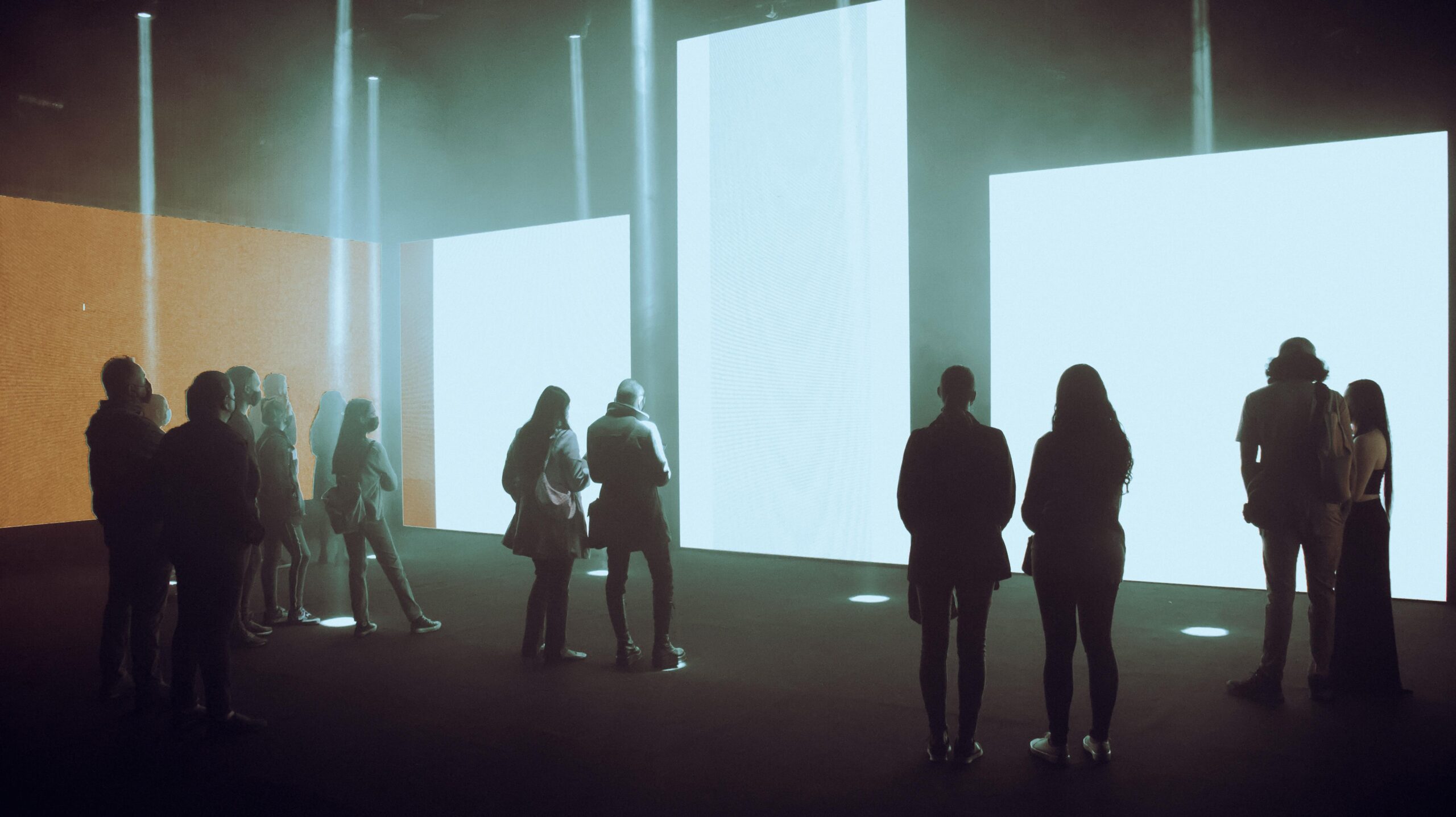
Modern kinetic sculptures increasingly blur boundaries between artwork and audience. Interactive installations invite viewers to become collaborators, using their movements, voices, or touches to influence the sculpture’s behavior. This participatory approach transforms passive observation into active engagement.
Motion sensors, cameras, and proximity detectors enable sculptures to detect and respond to human presence. A sculpture might rotate to face approaching viewers, accelerate movements in response to sound levels, or create patterns based on the number of people present. This responsiveness creates unique experiences that change with each encounter.
Data Visualization Through Kinetic Form
Some contemporary artists use kinetic sculpture as three-dimensional data visualization tools. Abstract datasets—weather patterns, stock market fluctuations, social media activity—become physical movements that make information tangible and emotionally resonant. This approach bridges analytical and aesthetic modes of understanding, making complex information accessible through visceral experience.
⚡ Power Systems and Energy Considerations
Powering kinetic sculptures presents unique challenges, especially for outdoor or remote installations. Traditional electrical connections provide reliable energy but limit placement options and create aesthetic concerns with visible cabling.
Solar power offers sustainability and installation flexibility, though it requires careful calculation to ensure panels generate sufficient energy for intended movements. Battery systems provide backup during low-light periods but add weight and maintenance requirements.
Some ingenious designs harvest energy from environmental sources—wind turbines integrated into the sculpture itself, piezoelectric elements that generate electricity from vibration, or thermoelectric generators that convert temperature differentials into usable power. These self-sustaining approaches align with growing environmental consciousness while solving practical power challenges.
Scaling From Tabletop to Monumental
Kinetic sculptures exist across an enormous size spectrum, from delicate desk ornaments to architectural-scale installations. Each scale presents distinct challenges and opportunities.
Small-scale works allow intricate detail and can be mass-produced, making kinetic art accessible to broader audiences. They serve as laboratory experiments where artists test concepts before scaling up, or as finished works valued for their precision and craftsmanship.
Monumental kinetic sculptures make powerful public statements, transforming urban landscapes and creating community gathering points. However, they require structural engineering expertise to withstand wind loads, seismic forces, and weather exposure. Maintenance access, vandalism resistance, and public safety become paramount considerations at large scales.
🌍 Environmental and Sustainability Considerations
Contemporary kinetic artists increasingly embrace sustainability as both ethical imperative and creative constraint. Using recycled materials adds narrative depth while reducing environmental impact. Reclaimed industrial components bring history and patina that new materials cannot replicate.
Energy-efficient design minimizes power consumption through optimized gearing, reduced friction, and intelligent control systems that activate movements only when viewers are present. Some installations operate entirely on renewable energy, demonstrating that art and environmental responsibility can coexist harmoniously.
Durability extends sustainability by creating artworks that endure decades rather than requiring frequent replacement. Specifying maintainable designs with replaceable components ensures sculptures can be repaired rather than discarded when individual elements fail.
Commercial Applications Beyond Gallery Walls
Kinetic sculpture principles find applications far beyond traditional art contexts. Corporate installations create memorable brand experiences in lobbies and public spaces. Retail environments use kinetic displays to attract attention and differentiate from competitors.
Architectural integration incorporates kinetic elements into building facades, creating dynamic exteriors that change character throughout the day. These installations serve functional purposes—shading, ventilation, light modulation—while providing aesthetic value.
Theme parks and entertainment venues employ kinetic sculptures to create immersive environments that transport visitors to fantastical worlds. Educational institutions use interactive kinetic installations to make scientific principles tangible and engaging for students.
🎓 Educational Value and STEM Integration
Kinetic sculpture offers exceptional educational opportunities, naturally integrating science, technology, engineering, art, and mathematics (STEAM). Students learn physics principles through hands-on construction, experiencing concepts like momentum, torque, and energy transfer through tangible experimentation.
Building kinetic projects develops problem-solving skills as students encounter real-world engineering challenges. Designs that look promising on paper often require iteration and troubleshooting when realized physically, teaching resilience and adaptive thinking.
The artistic dimension ensures these lessons remain engaging rather than abstract. Students invest emotionally in creating beautiful, functioning objects, maintaining motivation through challenging technical obstacles.
Challenges and Problem-Solving in Kinetic Design
Every kinetic sculptor encounters recurring challenges that demand creative solutions. Friction gradually slows movements and wears components, requiring careful bearing selection and lubrication strategies. Environmental factors—temperature fluctuations, humidity, UV exposure—degrade materials and affect performance over time.
Balancing aesthetic vision with engineering reality often requires compromise. An artist might envision particular movements that prove mechanically impractical, necessitating redesigns that maintain artistic intent while respecting physical laws.
Maintenance accessibility must be considered during design phases. Complex mechanisms hidden within sealed structures become nightmares when inevitable adjustments are needed. Thoughtful designs provide access panels and modular construction that facilitate ongoing care.
🚀 Future Directions and Emerging Trends
The future of kinetic sculpture promises exciting developments as technologies continue advancing. Soft robotics introduces organic, flowing movements that mimic biological systems rather than mechanical precision. These approaches create sculptures that breathe, undulate, and respond with lifelike fluidity.
Artificial intelligence enables sculptures that truly learn and evolve. Rather than following preprogrammed sequences, AI-driven installations develop unique personalities over time, responding to cumulative experiences and changing environments in genuinely unpredictable ways.
Augmented reality creates hybrid experiences where physical kinetic elements combine with digital overlays visible through smartphones or AR glasses. This mixed-reality approach expands possibilities beyond physical constraints while maintaining tangible, sculptural presence.
Nanotechnology and advanced materials research promise new possibilities at microscopic scales. Future kinetic sculptures might operate at cellular levels, visible only through magnification, or utilize programmable matter that reconfigures itself into different forms.
Inspiring the Next Generation of Kinetic Artists
Aspiring kinetic sculptors benefit from interdisciplinary education combining artistic training with technical skills. Maker spaces, community workshops, and online tutorials democratize access to tools and knowledge previously available only to specialists.
Collaboration between artists and engineers produces work neither could create independently. These partnerships model productive interdisciplinary dialogue, breaking down artificial barriers between creative and technical thinking.
Documentation and sharing through social media and online platforms inspire global communities of practitioners. Time-lapse videos of sculptures in motion reach audiences who might never visit galleries, spreading appreciation and sparking interest in newcomers who discover their passion through digital exposure.
💡 The Profound Impact of Movement on Human Experience
Why does kinetic sculpture resonate so deeply with viewers? Movement captures attention in ways static objects cannot, triggering neurological responses evolved over millennia to detect motion as potential threats or opportunities. This hardwired alertness ensures kinetic works command attention even in visually cluttered environments.
Change over time introduces narrative structure absent from static art. Viewers naturally seek patterns, anticipate next movements, and construct meaning from temporal sequences. This engagement transforms observation from glance to sustained contemplation.
Kinetic works remind us that nothing remains static—reality itself constantly flows and transforms. In an era of rapid change and uncertainty, these moving sculptures become meditations on impermanence, adaptation, and the beauty found in flux rather than fixity.
The fusion of art and engineering in kinetic sculpture represents humanity at its most inventive and expressive. These dynamic works challenge creators to master multiple disciplines while offering viewers experiences that engage mind, emotion, and sense of wonder simultaneously. As technologies advance and creative boundaries expand, kinetic sculpture will undoubtedly continue evolving, unleashing new possibilities for movement, meaning, and human connection through the transformative power of art in motion.