Heritage mapping is transforming how communities protect their history. By harnessing collective knowledge and digital tools, we’re creating comprehensive records of cultural treasures that might otherwise disappear forever.

Around the world, countless historic sites, cultural landmarks, and traditional practices face the threat of extinction. Climate change, urban development, and the simple passage of time erode our connections to the past. Yet technology now offers communities an unprecedented opportunity to document, share, and preserve their heritage through collaborative mapping initiatives that unite people across generations and geographies.
🗺️ Understanding Crowdsourced Heritage Mapping
Crowdsourced heritage mapping represents a democratic approach to cultural preservation. Instead of relying solely on academic institutions or government agencies, these initiatives invite everyday citizens to contribute their knowledge, photographs, stories, and memories to create comprehensive digital archives of culturally significant locations.
This grassroots methodology recognizes that local communities often possess the deepest understanding of their own heritage. Grandparents remember buildings long demolished, indigenous peoples maintain oral histories of sacred sites, and longtime residents know the stories behind street names and neighborhood traditions. Crowdsourced mapping platforms provide mechanisms to capture this distributed knowledge before it vanishes.
The Technology Behind Community Heritage Projects
Modern heritage mapping relies on accessible digital tools that require minimal technical expertise. Geographic Information Systems (GIS) platforms, mobile applications, and web-based interfaces allow contributors to pinpoint locations on digital maps, upload photographs, record audio narratives, and add contextual information about historical significance.
Many successful projects utilize open-source mapping frameworks like OpenStreetMap, which communities can customize for heritage documentation. GPS-enabled smartphones make it simple for volunteers to accurately geotag sites during walking tours or field research expeditions. Cloud storage ensures that collected data remains accessible and preserved for future generations.
📱 Digital Platforms Empowering Heritage Preservation
Several innovative applications have emerged specifically designed for community heritage mapping. These platforms provide structured frameworks for documenting cultural assets while maintaining flexibility for diverse community needs.
Field Papers combines digital mapping with analog accessibility, allowing volunteers to print map sections, make handwritten notes during site visits, then scan and digitize their contributions. This hybrid approach ensures participation from community members regardless of their comfort level with technology.
Historic England’s Heritage Gateway aggregates information about protected sites, archaeological findings, and local history records into searchable databases. While professionally maintained, it accepts community contributions that help fill gaps in official documentation.
Collaborative Mapping Success Stories
The Syrian Heritage Initiative demonstrates crowdsourced mapping’s potential under crisis conditions. As conflict threatened countless archaeological sites and cultural landmarks, diaspora communities, archaeologists, and concerned citizens collaborated to document Syria’s heritage using satellite imagery and personal knowledge, creating records that will inform future restoration efforts.
In Indonesia, the Peta Budaya project empowers indigenous communities to map sacred sites, traditional territories, and culturally significant landscapes. This documentation strengthens land rights claims and ensures traditional knowledge transmission to younger generations who might otherwise lose connection with ancestral places.
🤝 Building Inclusive Heritage Mapping Communities
Successful crowdsourced heritage projects prioritize inclusivity, recognizing that diverse perspectives create more complete historical records. Projects must actively engage marginalized communities whose stories have been historically excluded from official narratives.
Effective community engagement begins with listening. Organizers should conduct preliminary conversations with neighborhood associations, cultural organizations, indigenous groups, and longtime residents to understand what heritage matters most to them. This consultation phase prevents external stakeholders from imposing their own definitions of significance onto communities.
Training and Capacity Building Strategies
Not everyone arrives at heritage mapping projects with equal digital literacy or historical documentation skills. Comprehensive training programs level the playing field and empower broader participation. Workshops might cover smartphone photography techniques, GPS coordinate recording, ethical oral history interviewing, and data quality standards.
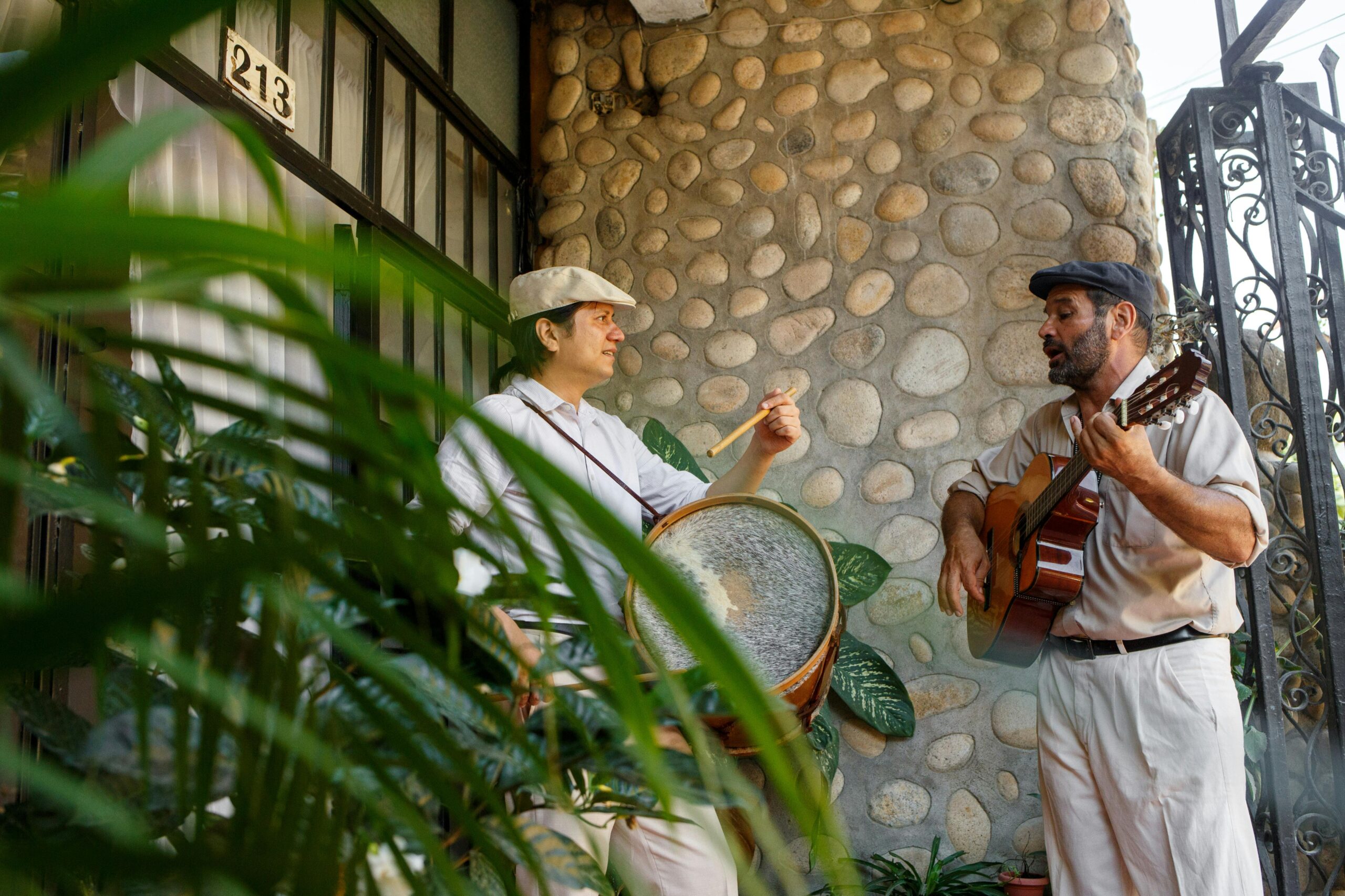
Intergenerational collaboration creates particularly rich outcomes. Younger participants often possess stronger technical skills, while elders contribute irreplaceable memories and contextual knowledge. Pairing these groups in mapping expeditions facilitates knowledge transfer in both directions and strengthens community bonds.
🏛️ Documenting Tangible and Intangible Heritage
Heritage extends beyond physical structures to encompass intangible cultural practices, traditions, languages, and social customs. Comprehensive mapping initiatives document both material sites and the living cultural expressions connected to places.
A historic theater building represents tangible heritage, but the performance traditions it hosted, the community gatherings it enabled, and the artists it nurtured constitute intangible heritage equally worthy of preservation. Effective projects capture these multidimensional aspects through photographs, video recordings, audio interviews, and narrative descriptions.
Ethical Considerations in Heritage Documentation
Crowdsourced mapping raises important ethical questions, particularly regarding sacred sites, sensitive locations, and indigenous knowledge. Some communities may wish to document heritage for internal preservation without public disclosure that could attract unwanted attention or enable exploitation.
Projects should establish clear consent protocols ensuring that communities maintain control over their cultural information. Tiered access systems can restrict certain data to community members while sharing other information publicly. Indigenous data sovereignty principles recognize communities’ rights to govern how their heritage information gets collected, stored, and shared.
🌍 Global Movements and Local Impact
International organizations increasingly recognize crowdsourced heritage mapping’s value. UNESCO’s World Heritage Centre explores participatory approaches to identifying and monitoring sites of outstanding universal value. The International Council on Monuments and Sites (ICOMOS) promotes community involvement in heritage conservation planning.
These global frameworks support local initiatives while establishing standards that ensure documentation quality and sustainability. Local projects benefit from technical resources, funding opportunities, and connection to international networks of heritage practitioners.
Linking Heritage to Contemporary Community Development
Heritage mapping creates foundations for cultural tourism initiatives that generate economic opportunities while celebrating local identity. Documented sites become destinations for heritage trails, educational programs, and cultural festivals that attract visitors and revenue to communities.
Urban planners increasingly consult community heritage maps when making development decisions, helping ensure that growth respects historical character. Environmental conservation efforts gain cultural dimensions when maps reveal indigenous management practices and traditional ecological knowledge tied to specific landscapes.
📊 Data Quality and Verification in Crowdsourced Projects
Critics sometimes question whether crowdsourced information matches professional standards. While valid, this concern underestimates both community expertise and the quality control mechanisms effective projects implement.
Multi-tiered verification processes balance openness with accuracy. Initial contributions might be flagged as “unverified” until corroborated by additional sources or reviewed by subject matter experts. Version control systems track changes and allow reverting problematic edits. Community moderation distributes quality control responsibilities among trusted volunteers.
Establishing Documentation Standards
Clear guidelines help contributors provide consistent, useful information. Projects typically specify minimum metadata requirements, such as location coordinates, date of documentation, contributor name, and description standards. Photographic guidelines might address image resolution, framing, and lighting to ensure archival quality.
Standardization must balance with flexibility allowing culturally appropriate documentation methods. Indigenous oral traditions may prioritize spoken narratives over written descriptions. Some communities prefer collective attribution rather than individual contributor credit. Successful projects adapt their frameworks to accommodate diverse cultural protocols.
💡 Technology Literacy and Digital Divide Challenges
While smartphones and internet connectivity have spread globally, digital access remains unequal. Effective crowdsourced heritage initiatives address barriers preventing full community participation.
Providing loaner devices, establishing community technology centers, and offering extensive hands-on training helps bridge digital divides. Offline data collection capabilities allow field work in areas with limited connectivity, with synchronization occurring when internet access becomes available.
Alternative Participation Pathways
Not all valuable contributions require digital skills. Projects can designate tech-savvy volunteers as “digital scribes” who translate analog knowledge into digital formats. Oral history recording sessions capture elder memories, with younger volunteers handling transcription and database entry. Hand-drawn maps and written descriptions can be digitized by project coordinators.
This multi-pathway approach ensures that technical limitations don’t exclude community members with the most valuable heritage knowledge.
🔮 Future Directions for Heritage Mapping
Emerging technologies promise to enhance crowdsourced heritage documentation. Augmented reality applications could overlay historical images onto contemporary streetscapes, helping communities visualize and understand changes over time. Artificial intelligence might assist with photograph analysis, pattern recognition in historical documents, or translation between languages.
Three-dimensional scanning technology, increasingly affordable and portable, enables precise documentation of architectural details, sculptures, and archaeological artifacts. Communities can create virtual museums showcasing heritage items without requiring physical relocation to centralized institutions.
Climate Change and Urgent Documentation Needs
Rising sea levels, intensifying storms, and changing weather patterns threaten coastal heritage sites, archaeological deposits, and traditional landscapes. Crowdsourced mapping provides rapid response capabilities for documenting at-risk heritage before it disappears.
Climate-vulnerable communities can prioritize documentation efforts based on threat assessments, creating digital preservation records even when physical conservation proves impossible. These archives inform future restoration work and ensure cultural memory survives even when material heritage does not.
🎯 Sustaining Heritage Mapping Initiatives Long-Term
Initial enthusiasm often launches heritage mapping projects, but sustained success requires addressing practical challenges like funding, volunteer retention, and institutional support.
Diversified funding models combining grants, crowdfunding, municipal support, and tourism revenue create financial sustainability. Partnerships with universities provide student volunteers and research expertise. Integration with school curricula engages youth and ensures intergenerational continuity.
Measuring Impact and Demonstrating Value
Quantifiable metrics help projects secure ongoing support. Tracking documented sites, contributor numbers, website visits, and educational program participants demonstrates community engagement. Documenting how mapping data informed planning decisions, supported funding applications, or enhanced tourism illustrates practical value.
Qualitative impacts matter equally. Community members report stronger connections to place, increased pride in local heritage, and enhanced social cohesion through collaborative documentation efforts. These outcomes, though harder to measure, represent profound success.
🌟 Empowering Communities Through Shared Stewardship
Crowdsourced heritage mapping fundamentally transforms who controls cultural narratives. Rather than passive subjects of external documentation, communities become active agents in preserving and interpreting their own histories.
This shift carries profound implications for cultural justice. Historically marginalized groups can ensure their stories enter the permanent record. Indigenous communities reclaim authority over sacred site information. Working-class neighborhoods document their contributions to urban development alongside elite architectural landmarks.
The democratization of heritage documentation doesn’t diminish professional expertise but rather complements it with lived experience and local knowledge. The most successful initiatives create partnerships where academic researchers, heritage professionals, and community members contribute their respective strengths toward shared preservation goals.
As we face accelerating change, the urgency of heritage documentation intensifies. Every day, elderly community members pass away carrying irreplaceable memories. Development projects erase historic landscapes. Climate disasters threaten cultural sites. Crowdsourced mapping provides tools for communities to act now, creating comprehensive heritage records that will inform conservation, education, and cultural revitalization for generations to come.
The power of these initiatives ultimately lies not just in the data collected, but in the community connections forged through collaborative documentation. Neighbors discover shared histories, generations exchange knowledge, and diverse groups find common ground in preserving what makes their places unique. In uniting to document the past, communities strengthen the social bonds that will carry them into the future.