The digital age has revolutionized how we access humanity’s cultural heritage. Open access cultural archives are breaking down barriers, making art, history, and knowledge freely available to anyone with an internet connection.

Museums, libraries, and institutions worldwide are digitizing their collections, creating unprecedented opportunities for exploration, education, and creative innovation. These digital treasures invite us to discover ancient manuscripts, iconic artworks, historical photographs, and ethnographic recordings without geographical or financial limitations.
🌍 The Rise of Digital Cultural Democracy
Open access cultural archives represent a fundamental shift in how societies preserve and share their heritage. For centuries, access to cultural treasures required physical presence at specific locations, often limited by geography, admission fees, or institutional restrictions. Today’s digital transformation is democratizing culture in ways previous generations could never imagine.
Major institutions like the Smithsonian, British Library, Rijksmuseum, and Metropolitan Museum of Art have embraced open access policies, releasing millions of high-resolution images into the public domain. This movement reflects a growing recognition that publicly funded cultural institutions have a responsibility to make their collections accessible to global audiences.
The benefits extend far beyond simple viewing. Researchers can analyze artworks in unprecedented detail, educators can build comprehensive lesson plans, artists can find inspiration and source materials, and curious individuals can explore subjects ranging from medieval illuminated manuscripts to NASA’s space exploration photography.
🎨 Treasures Waiting to Be Discovered
The scope of available materials in open access archives is breathtaking. Whether you’re interested in Renaissance paintings, indigenous textiles, vintage posters, natural history specimens, or architectural blueprints, there’s a digital archive catering to your interests.
Art and Visual Culture
The art world has been particularly generous with open access initiatives. The Metropolitan Museum of Art provides over 400,000 high-resolution images of artworks spanning 5,000 years of history. The Rijksmuseum’s collection includes masterpieces by Rembrandt, Vermeer, and Van Gogh, all available for download, study, and reuse.
Contemporary art institutions are joining the movement too. The Museum of Modern Art (MoMA) has digitized exhibition histories, while regional museums worldwide contribute unique perspectives on local artistic traditions.
Historical Documents and Manuscripts
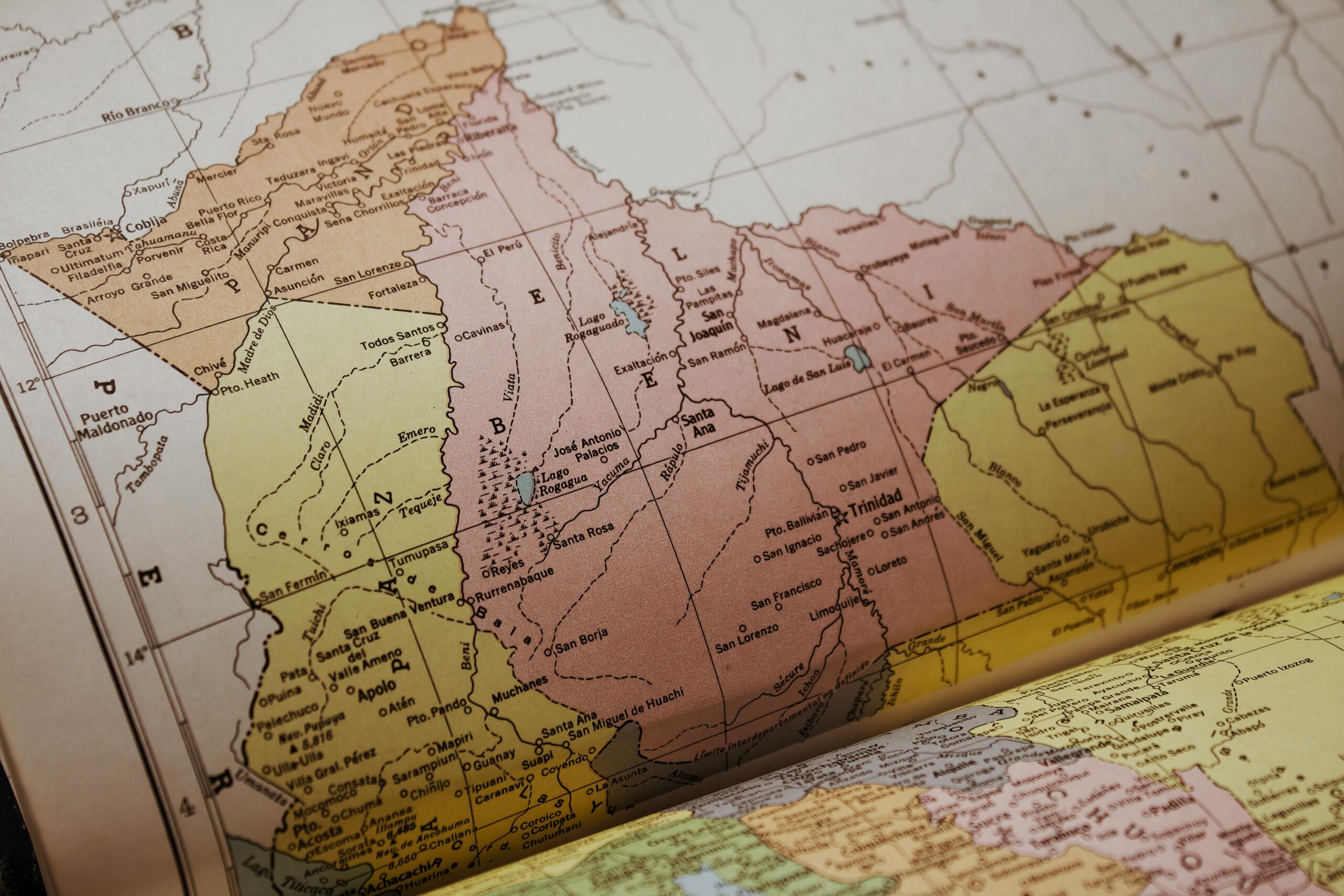
Libraries and archives house humanity’s written memory. The Library of Congress offers millions of items including historical maps, Civil War photographs, early recordings of American folk music, and presidential papers. The British Library’s digitization projects have made medieval manuscripts, Shakespeare folios, and scientific notebooks accessible to global researchers.
National archives from countries around the world contribute immigration records, war diaries, governmental documents, and personal letters that illuminate everyday life throughout history. These primary sources are invaluable for genealogical research, academic study, and understanding how societies evolved.
Ethnographic and Cultural Heritage
Museums of anthropology and natural history preserve cultural artifacts, traditional knowledge, and ethnographic recordings. Open access to these collections is particularly important for indigenous communities seeking to reconnect with ancestral traditions and languages that may have been displaced through colonization.
Audio archives contain field recordings of traditional music, oral histories, and endangered languages. Visual collections document traditional crafts, ceremonies, and daily life in communities worldwide, providing crucial documentation for cultural preservation efforts.
📚 Learning Opportunities Without Boundaries
Open access cultural archives are transforming education at every level. Teachers no longer need expensive textbooks to show students primary historical sources or high-quality reproductions of famous artworks. The barriers between learners and authentic materials have disappeared.
Supporting Formal Education
Educators are integrating digital archives into curriculum across subjects. History teachers can assign students to analyze original documents from specific time periods. Art instructors can guide close examination of brushwork techniques in digitized paintings. Science teachers can explore historical scientific illustrations and early botanical drawings.
Universities benefit particularly from open access resources. Graduate students conducting research can access materials that would have previously required expensive international travel. Comparative studies become feasible when collections from multiple continents can be viewed side-by-side on a single screen.
Enabling Self-Directed Learning
Perhaps the most revolutionary aspect of open cultural archives is their support for independent learning. Anyone with curiosity and internet access can pursue deep knowledge in subjects that fascinate them. You can become an expert on Art Nouveau posters, trace your family’s immigration history, or study the evolution of typeface design through the centuries.
Online communities have formed around specific collections and subjects, where enthusiasts share discoveries, collaborate on research projects, and help each other navigate vast archives. This collaborative learning environment enriches everyone’s experience and understanding.
✨ Creative Possibilities and Artistic Inspiration
For creative professionals and hobbyists alike, open access archives are an inexhaustible source of inspiration and raw materials. The permission to download, remix, and reuse cultural heritage materials has sparked remarkable innovation.
Design and Commercial Applications
Graphic designers mine historical archives for vintage illustrations, decorative patterns, and typographic elements. Fashion designers study historical textiles and traditional garments for inspiration. Interior designers reference architectural details and period color palettes captured in historical photographs and paintings.
The commercial applications are limitless. Small businesses can legally use museum-quality images in their branding and marketing materials without licensing fees. Publishers can illustrate books with historical images. Product designers can incorporate traditional patterns into contemporary items.
Artistic Remix and Reinterpretation
Contemporary artists are creating fascinating work by remixing and reinterpreting historical materials. Digital artists combine elements from different eras and cultures to create surreal compositions. Musicians sample historical audio recordings to create new soundscapes. Filmmakers incorporate archival footage into documentaries and experimental films.
This creative reuse breathes new life into historical materials while creating cultural connections across time periods. A 19th-century botanical illustration might become part of a modern textile design. A baroque painting might inspire a contemporary photographer’s composition.
🔍 How to Navigate Open Access Cultural Archives
The abundance of available materials can be overwhelming for newcomers. Understanding how to effectively search, evaluate, and use open access resources maximizes their value.
Finding the Right Archives
Different institutions specialize in different types of materials. Major universal museums like the Smithsonian or British Museum offer broad collections spanning multiple cultures and time periods. Specialized institutions like the Biodiversity Heritage Library or NASA Image and Video Library focus on specific subjects.
Aggregator platforms like Europeana, Digital Public Library of America, and World Digital Library collect materials from multiple institutions into searchable databases. These platforms are excellent starting points for broad explorations.
Understanding Usage Rights
Not all digitized materials are equally open. Understanding copyright and usage terms is essential, especially for commercial or publication purposes. Look for clear licensing information, typically indicated through Creative Commons licenses or explicit public domain declarations.
Many institutions use CC0 (Creative Commons Zero) designation for materials they’ve released with no restrictions. Others may require attribution or limit commercial use. Always verify the specific terms before reusing materials.
Effective Search Strategies
Successful archive searching requires both specific and exploratory approaches. When seeking particular items, use precise search terms including dates, artist names, or specific object types. For exploration and inspiration, browse by category, time period, or color.
Many archives offer advanced search filters for medium, date range, department, or geographic origin. Taking time to learn each archive’s specific search capabilities improves results significantly.
🚀 Technologies Enhancing Archive Access
Technological innovations continue to improve how we interact with digital cultural archives. Artificial intelligence, virtual reality, and mobile applications are creating new ways to experience historical materials.
AI and Machine Learning Applications
Machine learning algorithms help organize and make discoverable the millions of items in digital archives. Image recognition technology can identify similar artworks, architectural features, or subject matter across collections. Natural language processing improves search functionality by understanding contextual queries rather than just keyword matches.
Some institutions are experimenting with AI-powered chatbots that can answer questions about collections, suggest related items, or provide historical context. These tools make archives more accessible to users who might be intimidated by traditional research interfaces.
Mobile Access to Cultural Heritage
Mobile applications bring cultural archives directly to smartphones and tablets, enabling learning and exploration anywhere. Museum apps often include audio guides, curator commentary, and augmented reality features that enhance understanding of artworks and artifacts.
Photography apps allow users to compare museum artworks with their surroundings, while specialized applications help identify architectural styles or artistic techniques when viewing digitized works.
Virtual and Augmented Reality Experiences
VR technology enables immersive experiences of cultural sites and collections. Users can virtually walk through ancient temples, examine artifacts from all angles, or experience reconstructions of historical events. AR applications overlay digital information onto physical spaces or printed images, adding layers of context and interactivity.
These technologies are particularly powerful for educational purposes, making abstract historical concepts tangible and memorable for learners of all ages.
🌟 Building Your Own Creative Projects
Once you’ve discovered open access archives, the natural next step is creating something new with these resources. Whether you’re an educator, artist, researcher, or enthusiast, numerous project possibilities await.
Educational Resources and Presentations
Teachers can create engaging lessons using primary sources and high-quality reproductions. Build comparative presentations showing artistic movements across cultures. Develop timeline visualizations using historical photographs. Create interactive quizzes featuring artwork details or historical documents.
Students can use archive materials for research papers, creative projects, or multimedia presentations that demonstrate deeper engagement with historical materials than textbook descriptions alone could provide.
Personal and Commercial Design Projects
Designers can incorporate historical elements into modern work. Create wedding invitations using vintage botanical illustrations. Design album covers with historical typography and decorative elements. Develop brand identities incorporating traditional patterns or historical imagery relevant to your business’s story.
The ability to use museum-quality materials legally and freely levels the playing field for small businesses and independent creators who previously couldn’t afford licensing fees for quality visual materials.
Research and Documentation
Genealogists can trace family histories through immigration records, census data, and historical photographs. Local historians can document community development using archival maps and photographs. Cultural researchers can conduct comparative studies across collections housed in different institutions worldwide.
The accessibility of these materials accelerates research timelines and enables projects that would have been impossible or prohibitively expensive in the pre-digital era.
💡 The Future of Open Cultural Access
The open access movement continues to grow and evolve. More institutions are recognizing the benefits of digital accessibility, though significant challenges remain regarding funding, technical infrastructure, and equitable access.
Expanding Global Representation
Current digital archives disproportionately represent Western European and North American collections. Increasing digitization efforts in Africa, Asia, Latin America, and indigenous communities worldwide will provide more balanced representation of global cultural heritage.
Collaborative international initiatives are addressing these gaps, but sustained funding and technical support remain essential for truly comprehensive global cultural access.
Technological Advancement and Sustainability
Improved imaging technology enables ever-higher resolution digitization, revealing details invisible to the naked eye. Multispectral imaging uncovers hidden layers in paintings and erased text in manuscripts. 3D scanning creates interactive models of sculptural objects and architectural spaces.
However, digital preservation presents ongoing challenges. File formats become obsolete, storage media degrades, and maintaining infrastructure requires continuous investment. Ensuring long-term accessibility of digital archives is as important as creating them.
Community Engagement and Co-Creation
Forward-thinking institutions are moving beyond one-way access models toward collaborative relationships with diverse communities. Crowdsourcing initiatives invite public participation in transcribing documents, identifying subjects in photographs, or contributing contextual knowledge.
These participatory approaches enrich archives with diverse perspectives while building stronger connections between institutions and the communities they serve.
🎯 Taking Your First Steps into Cultural Archives
Beginning your journey with open access cultural archives requires no special expertise—just curiosity and internet access. Start with subjects that genuinely interest you. Explore a favorite artist’s complete works, research your hometown’s historical development, or discover traditional textiles from cultures around the world.
Bookmark archives that resonate with your interests. Many platforms offer user accounts where you can save favorites, create collections, and organize discoveries. Share interesting findings with friends, family, or social media communities interested in history, art, or culture.
Consider joining online communities focused on cultural heritage, digital humanities, or specific archive collections. These groups provide support, share tips, and celebrate the joy of discovery that open access makes possible.
The world’s cultural treasures are no longer locked away in distant institutions accessible only to privileged few. They’re available to everyone, everywhere, ready to inspire learning, creativity, and connection across cultures and generations. Your exploration begins with a simple search—where it leads is limited only by your curiosity and imagination.